


Is Your AC in Surfside Struggling to Keep Rooms Cool?
Most homeowners think air conditioning is just about flipping a switch. Cold air in, hot air out. But your system sees more than that — and if you don't, you're asking for discomfort. AC units may not announce when they're failing, but they do leave clues all over your house. Especially if you're noticing uneven temps or sky-high electric bills.
So here's the reality. If you're running your system to keep something livable, that's expected. Just don't treat those warning signs like background noise. Every warm room should trigger a question. Every spike in your bill needs investigation. And every cooling decision should be grounded in how the unit performs — not just how it sounds when it kicks on.
When Cool Air Disappears Before It Reaches You
Nine times out of ten, struggling AC isn't a total breakdown. Your compressor runs, your thermostat responds — that's operation, not failure. The issue is usually how the cold air moves through your home and whether it's getting blocked, leaked, or wasted along the way.
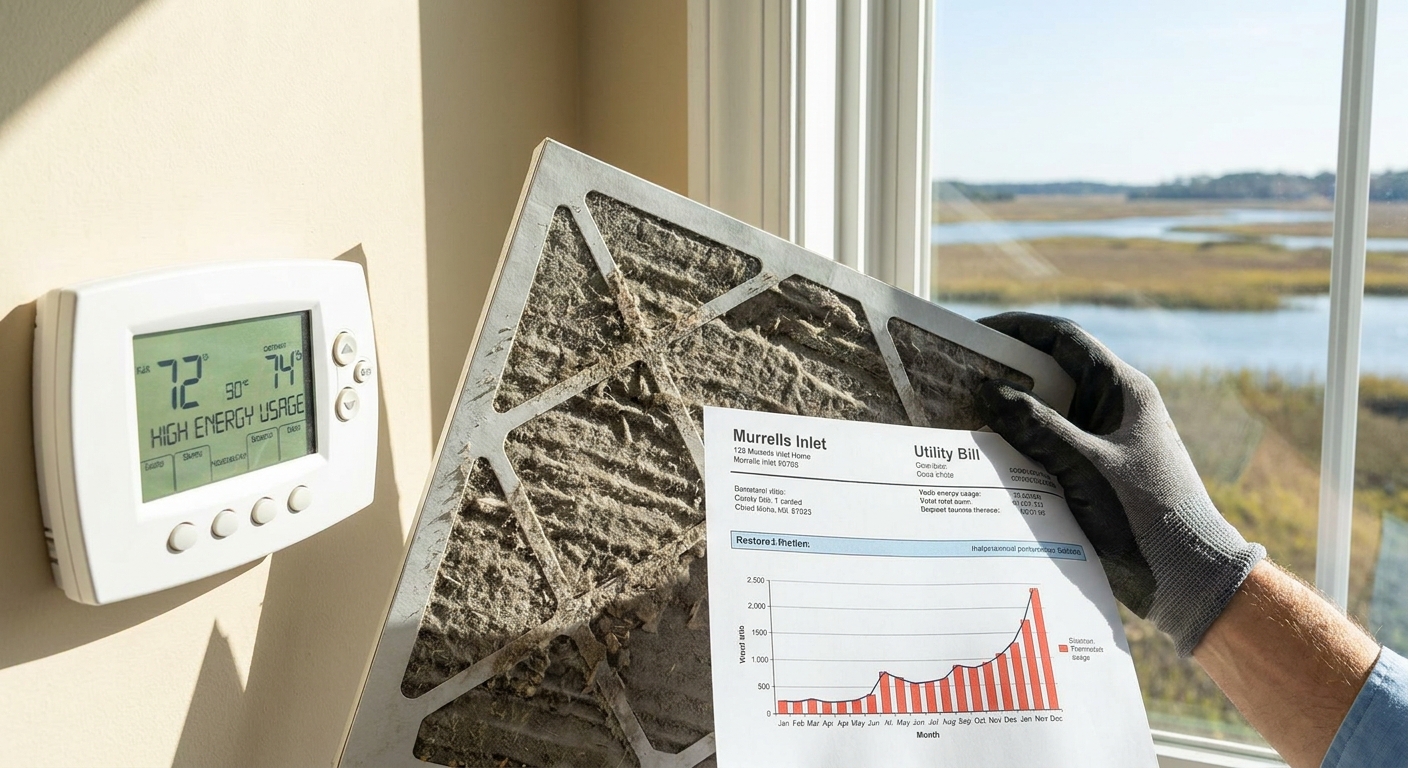
But if that airflow gets choked off? Different outcome. Dirty filters can act like a wall, especially if the buildup didn't happen overnight. We see this play out constantly in coastal homes. Plenty of residents think changing filters is optional — it's not. And when airflow gets restricted, your system works twice as hard to deliver half the result unless you address it fast.
The Components That Determine Your Comfort
You can't fix what you don't understand — that's just guessing in the dark. But the mechanics? Those are often straightforward. The parts that control your indoor climate each play a role, and when one falters, the whole system suffers.
Here's where performance breaks down most:
- Clogged filters block the air your system needs to circulate, forcing the blower to strain and the coils to freeze
- Low refrigerant means your unit can't absorb heat properly, leaving rooms warm no matter how long it runs
- Leaky ductwork lets treated air escape into attics or crawlspaces before it ever reaches your living areas
- Faulty thermostats misread temperatures or fail to signal the system, creating phantom comfort that doesn't exist
- Aging compressors lose efficiency over time, especially in units past their tenth year of service
What Happens When Maintenance Gets Skipped
Want consistent cooling? You'll need to prove the system is clean — and that nothing's blocking its ability to function.
Technicians check three main pressure points:
- Airflow is unobstructed through filters, coils, and vents
- Refrigerant levels match manufacturer specs with no leaks present
- Electrical connections are tight and components respond to thermostat commands without delay
Miss one of those, and efficiency collapses. Even if the unit technically turns on every time you adjust the dial. And if any of the ductwork is compromised? That portion's wasted energy. No partial credit for cool air that never makes it past the attic.
Coastal Conditions Hit Systems Harder
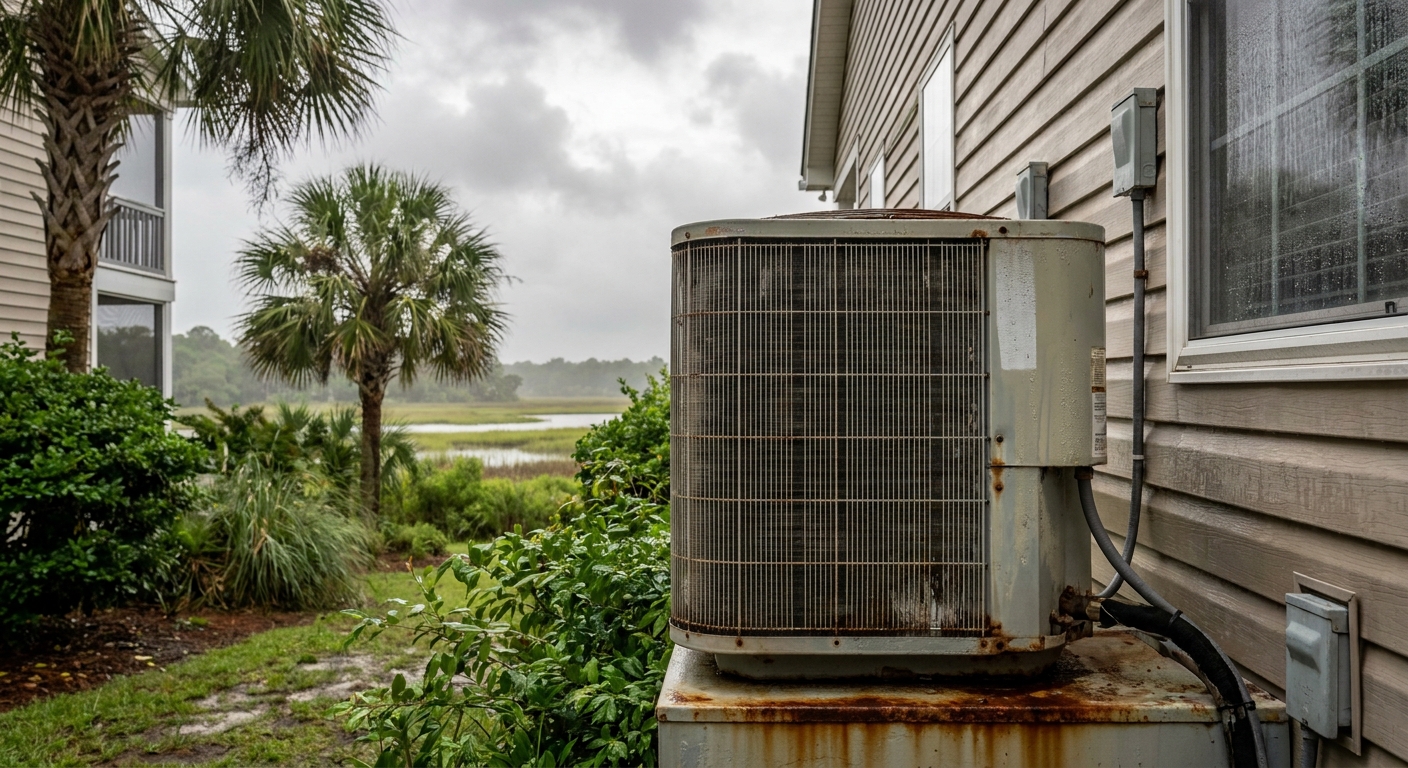
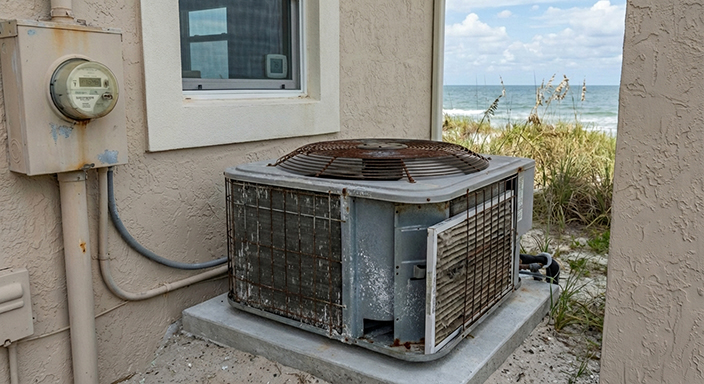
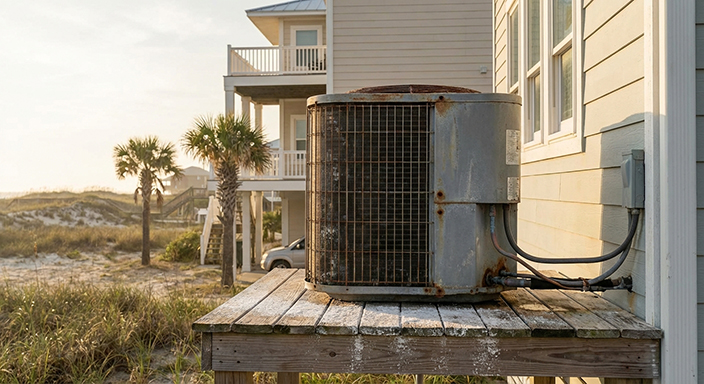
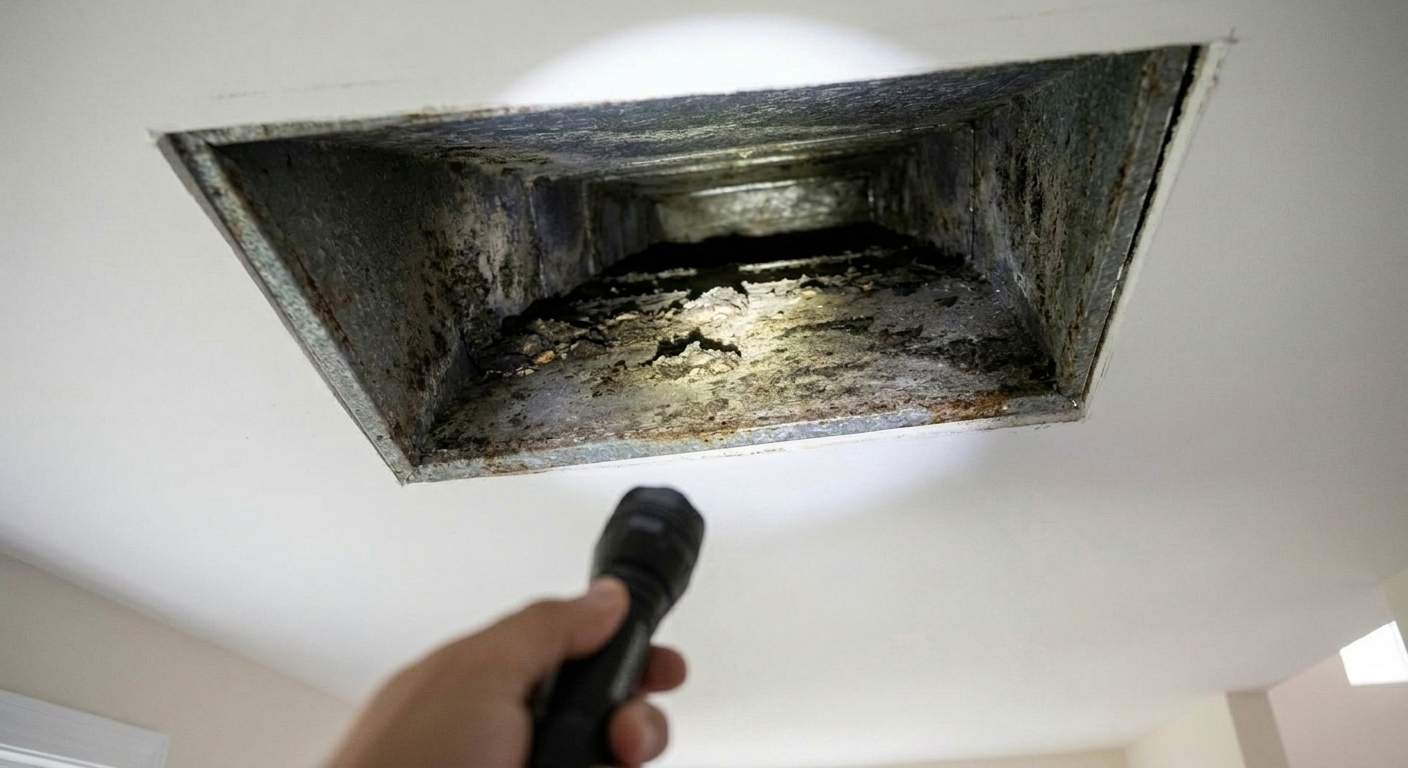
If your home sits within a few miles of saltwater, there's extra wear your AC faces that inland units never see. Surfside's humidity and salt exposure accelerate corrosion on outdoor components and create conditions where mold and buildup thrive inside ducts.
You'll need to stay ahead of the calendar and clean more often than the manual suggests. Most beach-area homeowners won't escape this reality — but those who ignore it end up replacing parts years earlier than necessary. Especially if they're running older systems or skipping seasonal HVAC maintenance.
Your Cooling Strategy Is Only As Good As Your Records
Want to catch problems early? Track your patterns. You'll need more than a vague sense that "it feels warmer" to diagnose what's failing.
Here's what your monitoring should include:
- Monthly energy bills compared year over year to spot usage spikes
- Filter change dates logged so you know when the next swap is due
- Room-by-room temperature checks to identify uneven cooling zones
- Service records from every tune-up showing what was cleaned, adjusted, or replaced
If a technician shows up for a repair call, they won't just take your word that "it used to work fine." Mixing assumptions with real data is one of the fastest ways to misdiagnose the issue. So if that back bedroom stays hot while the living room freezes, you'd better have notes on when it started.
Where Most Homeowners Go Wrong
Ignoring the filter because it "doesn't look that bad"? Your blower motor won't find that reasonable. Sloppy maintenance schedules can cost you serious money or even shorten your system's lifespan. Most homeowners stay ahead by setting reminders or bringing in a pro for seasonal checkups — and plenty avoid bigger headaches by catching small issues before they cascade.
Don't wait until summer peaks to check if your coils are clean. If you miss the spring tune-up, you're gambling with your comfort. If you skip it entirely, you risk breakdowns during the hottest weeks when every HVAC company is slammed with emergency calls. Schedule HVAC maintenance in April. It's boring. It works.
Ductwork Problems Multiply Fast
If you've got leaks or gaps in your ducts, that's a red flag zone. Treated air escaping into unconditioned spaces means you're cooling your attic instead of your bedroom. Reference your last inspection report and don't guess. That's what HVAC professionals are for.
Questions Homeowners Ask
Can I just replace the filter and call it fixed?
The filter? Maybe. That's maintenance, so it helps. But the root cause? That's often deeper — refrigerant, ducts, or compressor wear. A clean filter improves airflow but won't solve a leak or a dying motor.
How often should I schedule service?
If your system runs year-round, twice annually makes sense — spring and fall. If you only cool seasonally, once before summer starts covers most bases. Skipping it means you're flying blind until something breaks.
Is a new unit worth the cost?
Sort of. Older systems cost more to run and break down more often. A new unit won't just cool better — it'll lower your bills and come with a warranty. Think of it as a long-term investment with immediate comfort payoff.
When to Bring In a Technician
If your cooling issues include multiple rooms, strange sounds, or bills that doubled without explanation, you're in territory where DIY gets risky.
A licensed pro helps you:
- Pinpoint which component is failing and which parts are still fine
- Test refrigerant levels and locate leaks before they drain your system
- Inspect ductwork for damage or disconnections you can't see from inside the house
- Evaluate whether repair or replacement makes more financial sense
- Keep your warranty valid and your system running efficiently for years
It's not just about getting through this heat wave. It's about setting up reliable cooling that keeps your home comfortable and your costs predictable for the long haul. Professional HVAC repair services ensure your system operates at peak efficiency.
Comfort Requires Consistency
Getting your AC back on track isn't the hard part. Keeping it there — and knowing what to watch for before the next breakdown — that's where homeowners get caught off guard. There's no excuse for ignoring maintenance when the solutions are straightforward. But there's also no mercy when you let small problems turn into expensive failures. Stay ahead of the curve, and your system will return the favor when you need it most. Consider scheduling an HVAC installation if your current system is beyond repair.
Let’s Keep Your Home Cool and Comfortable
We know how important it is to have a reliable AC system, especially in Surfside’s challenging climate. If you’re ready to stop guessing and start enjoying consistent comfort, let’s work together to get your cooling back on track. Call us at 843-504-5974 or schedule an appointment today so we can help you stay cool all season long.
‹ Back
Recent Posts
-
Is Your Air Conditioner in Myrtle Beach Blowing Warm Air?
October 2, 2026
-
Can Dirty Air Ducts in Pawleys Island Affect Your Indoor Air Quality?
September 18, 2026
-

Is It Time to Replace Your Thermostat in Myrtle Beach?
September 4, 2026
-
-