



Can an HVAC Tune-Up in Murrells Inlet Help Prevent Breakdowns?
Most homeowners think HVAC maintenance is optional. Nice to have, not critical. But systems don't fail because they're old — they fail because they weren't maintained. And when that happens in Murrells Inlet during peak summer or the middle of winter, you're not just uncomfortable. You're scrambling for emergency HVAC repair, paying surge rates, and waiting days for a technician. All of it avoidable.
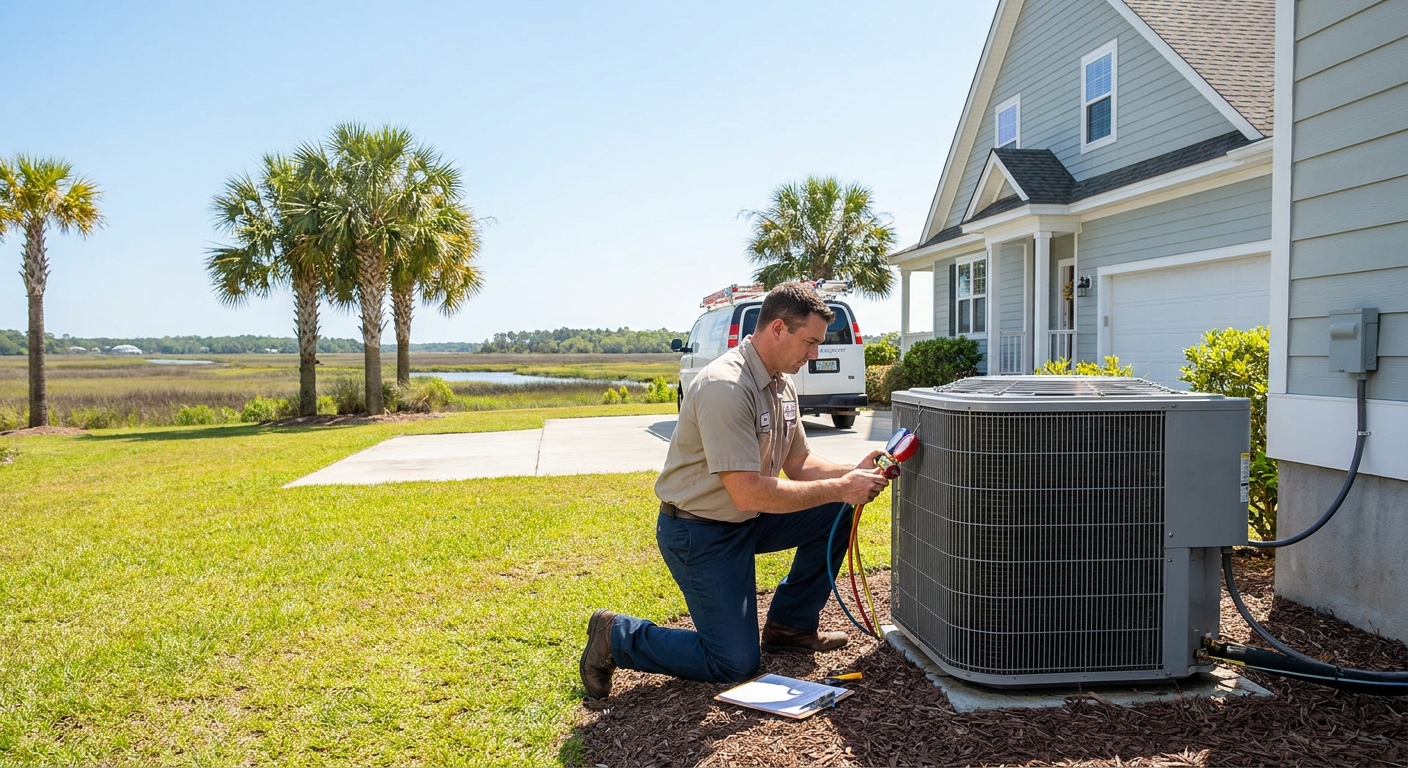
Regular tune-ups don't guarantee immunity from every possible failure. But they drastically cut the odds. The difference between a system that quits on you and one that keeps running comes down to whether someone caught the warning signs early. Whether filters got changed. Whether refrigerant levels stayed balanced. Whether belts got inspected before they snapped. That's what a tune-up does — it finds the problems before they find you.
What a Tune-Up Actually Covers
We're not talking about a quick visual check and a filter swap. A real tune-up involves inspecting every component that keeps your system functional. Technicians test electrical connections, measure airflow, check refrigerant charge, clean coils, lubricate moving parts, and calibrate thermostats. Each of these steps addresses a potential failure point that could shut your system down if left unchecked.
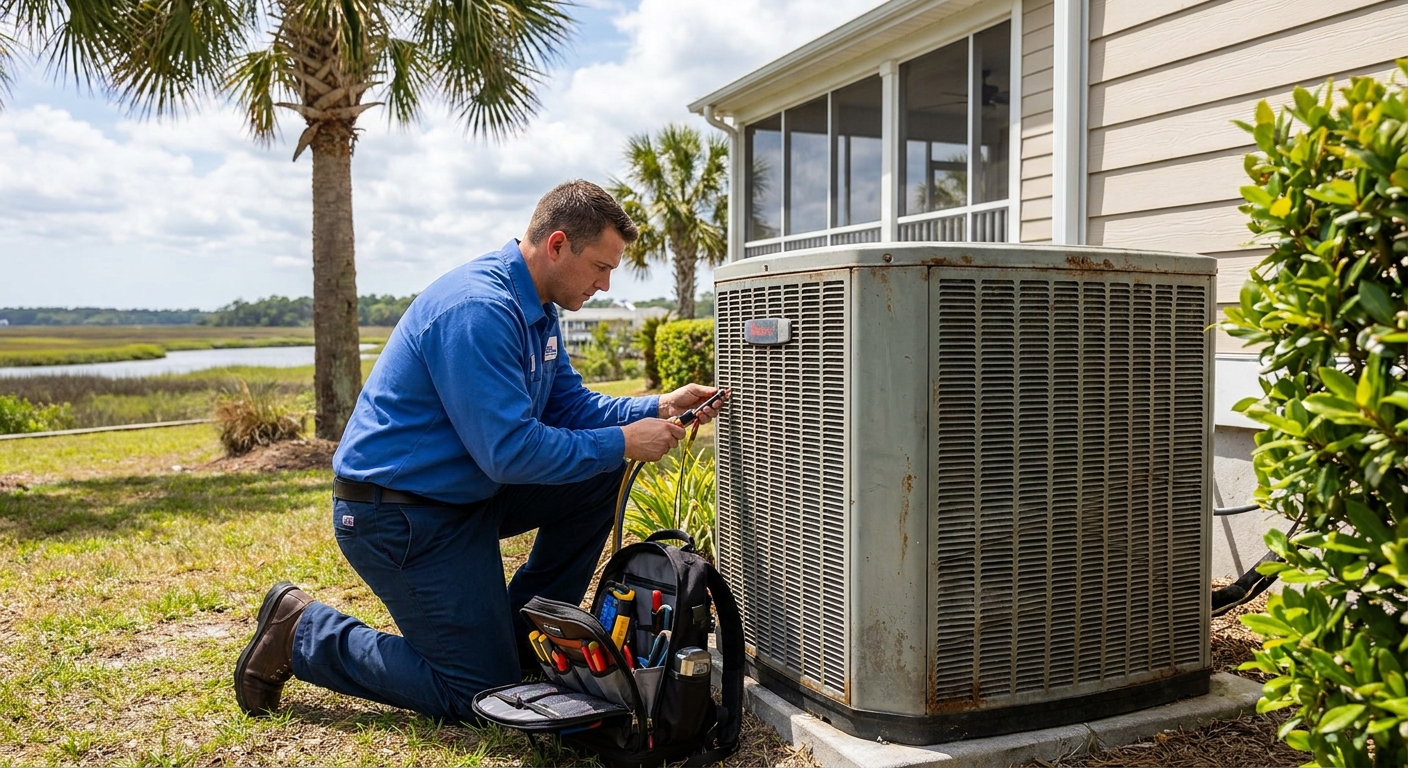
Coastal environments like Murrells Inlet make this even more critical. Salt air corrodes faster. Humidity breeds mold and clogs drains. Sand and debris work their way into outdoor units. Without routine HVAC maintenance, these environmental factors accelerate wear and push your system closer to breakdown territory. A tune-up mitigates that damage before it compounds into something expensive.
Small Problems Turn Into Big Ones Fast
A loose wire doesn't seem urgent. Neither does a slightly dirty coil or a refrigerant level that's just a pound low. But HVAC systems are interconnected. One minor issue forces another component to compensate, which creates additional strain, which shortens lifespan across the board. What starts as a $50 fix during a tune-up becomes a $1,200 compressor replacement six months later.
We see this pattern constantly. Homeowners skip maintenance, then act surprised when their system dies mid-season. The reality is that most breakdowns don't happen randomly. They happen because something wore out, something clogged, or something stopped functioning correctly — and nobody noticed until it was too late. Tune-ups catch those red flags while they're still manageable.
The Breakdown Prevention Checklist
Here's what technicians address during a tune-up that directly prevents system failure:
- Worn or frayed belts get replaced before they snap and shut the blower down
- Dirty coils get cleaned so airflow stays strong and the system doesn't overheat
- Refrigerant levels get topped off to prevent compressor damage from low charge
- Electrical connections get tightened to avoid shorts or control board failures
- Drain lines get cleared so condensation doesn't back up and trigger shutoffs
Efficiency Drops Before Systems Quit
Most homeowners don't notice their HVAC losing efficiency until it's obvious — longer run times, inconsistent temperatures, higher energy bills. By then, the system has been working harder than it should for weeks or months. That extra strain accelerates component wear and increases the likelihood of failure.
Tune-ups restore baseline efficiency by removing the friction points that make your system labor. Clean filters improve airflow. Calibrated thermostats prevent short cycling. Lubricated motors run smoother and quieter. The system doesn't have to work as hard to deliver the same comfort, which means less stress on every part and fewer breakdowns over time.
What Gets Missed Without Professional Eyes
You can change your own filter. Maybe even hose off the outdoor unit. But there are dozens of failure points you'll never see without pulling panels, testing voltage, or measuring static pressure. Capacitors degrade silently. Contactors pit and arc. Evaporator coils freeze from low airflow. None of these issues announce themselves until the system stops working entirely.
Professional technicians have the tools and training to spot what homeowners can't. They know what normal readings look like. They recognize the early signs of compressor stress or blower motor wear. They catch problems at the stage where a simple adjustment or minor part replacement keeps everything running. That's the value you're paying for — not just the service itself, but the expertise that prevents disaster.
Maintenance Plans Keep You Consistent
One-off tune-ups help. Scheduled maintenance plans work better. Here's why consistency matters:
- You get reminders before peak season hits, so you're not scrambling last minute
- Technicians track your system's history and spot trends before they become failures
- Priority scheduling means faster service if something does go wrong
- Discounts on repairs and parts reduce the sting of unexpected costs
- Regular visits build familiarity with your equipment, making diagnostics faster and more accurate
The Cost Math Always Favors Prevention
Emergency repair calls cost more than scheduled maintenance. Parts fail faster without upkeep. Systems die younger when they're neglected. A tune-up runs a few hundred dollars. A mid-season compressor replacement can hit four figures. A full system replacement because you let wear pile up for years? That's five figures.
Beyond the direct repair costs, there's the indirect hit — lost productivity if you work from home, hotel stays if the house becomes unlivable, spoiled food if the system quits during a heatwave. Maintenance isn't an expense. It's insurance against all the ways an HVAC breakdown disrupts your life and drains your wallet.
When Tune-Ups Should Happen
Twice a year is the standard. Spring for cooling prep, fall for heating readiness. This timing ensures your system gets checked before it faces peak demand. If you only do one, prioritize the season you rely on most. In Murrells Inlet, that's usually summer, when AC failure isn't just uncomfortable — it's dangerous.
If your system is older, heavily used, or has a history of issues, consider more frequent checks. Same goes if you've recently had repairs or replacements. The goal is to catch emerging problems before they cascade, and that means staying ahead of the wear curve.
What to Expect From a Quality Service
Not all tune-ups are created equal. Some companies rush through a checklist and call it done. Others take the time to test, measure, and document. Here's what a thorough tune-up should include:
- Detailed inspection of all major components, both indoor and outdoor
- Measurement of refrigerant charge and adjustment if needed
- Testing of electrical connections, voltage, and amp draw
- Cleaning of coils, blowers, and drain lines
- Calibration of thermostats and system controls
Red Flags That Demand Immediate Attention
Sometimes a tune-up reveals issues that can't wait for the next visit. If a technician flags any of these, take action immediately:
- Cracked heat exchangers that could leak carbon monoxide
- Refrigerant leaks that indicate a failing coil or line set
- Electrical issues that pose fire or shock risks
- Compressor problems that signal imminent failure
- Blocked or damaged ductwork restricting airflow throughout the system
DIY Maintenance Only Goes So Far
Changing filters and keeping the outdoor unit clear of debris helps. We encourage it. But that's not a substitute for professional service. You can't test capacitance with a visual check. You can't measure superheat and subcooling without gauges. You can't detect voltage irregularities or refrigerant leaks without specialized tools.
Homeowner maintenance extends the time between professional visits. It doesn't replace them. If you want to prevent breakdowns, you need someone who knows what to look for and how to fix it before it spirals.
Breakdowns Don't Wait for Convenient Timing
Systems fail when they're under load. That means the hottest day of summer or the coldest night of winter. That means weekends, holidays, and late evenings. HVAC repair services cost more during emergencies, take longer to schedule, and often involve temporary fixes rather than proper repairs. Tune-ups shift the odds in your favor, so you're not left sweating or shivering while you wait for help.
We've worked with thousands of homeowners in Murrells Inlet and surrounding areas, and the pattern is always the same. The ones who maintain their systems deal with fewer emergencies, spend less on repairs, and get more years out of their equipment. The ones who skip maintenance end up replacing systems years earlier than necessary. For property owners considering upgrades, professional HVAC installation combined with regular maintenance ensures optimal system performance and longevity. It's not luck. It's cause and effect.
Let's Keep Your HVAC Running Strong
We know how much comfort matters in your home, and regular tune-ups are the key to avoiding those stressful, costly breakdowns. Let’s work together to keep your system efficient and reliable all year long. If you’re ready for peace of mind and fewer surprises, give us a call at 843-504-5974 or schedule an appointment today—we’re here to help you stay comfortable, no matter the season.
‹ Back
Recent Posts
-
Can an HVAC Tune-Up in Murrells Inlet Help Prevent Breakdowns?
October 30, 2026
-
Should You Repair or Replace Your HVAC System in Murrells Inlet?
October 16, 2026
-
Is Your Air Conditioner in Myrtle Beach Blowing Warm Air?
October 2, 2026
-
Can Dirty Air Ducts in Pawleys Island Affect Your Indoor Air Quality?
September 18, 2026
-

Is It Time to Replace Your Thermostat in Myrtle Beach?
September 4, 2026