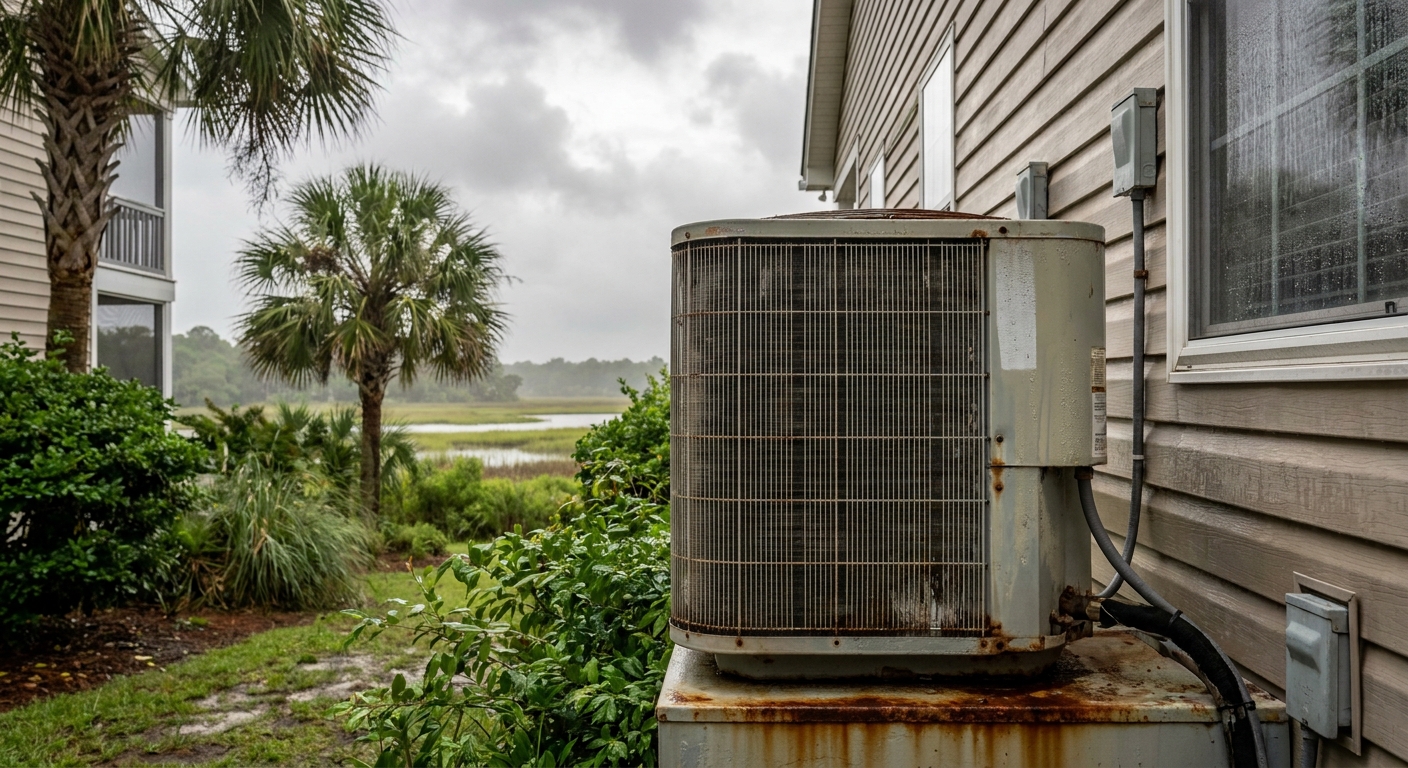



Is Your Air Conditioner in Myrtle Beach Blowing Warm Air?
Most homeowners think AC units are simple. Hit the button, feel the cold. But when warm air starts rolling through your vents in the middle of a Myrtle Beach summer, you realize there's more going on behind the walls than you thought. The heat doesn't care about your comfort — and neither does a failing system. So if you're cranking the thermostat lower and getting nothing but disappointment, you're not dealing with bad luck. You're dealing with a breakdown that needs attention from HVAC repair services.
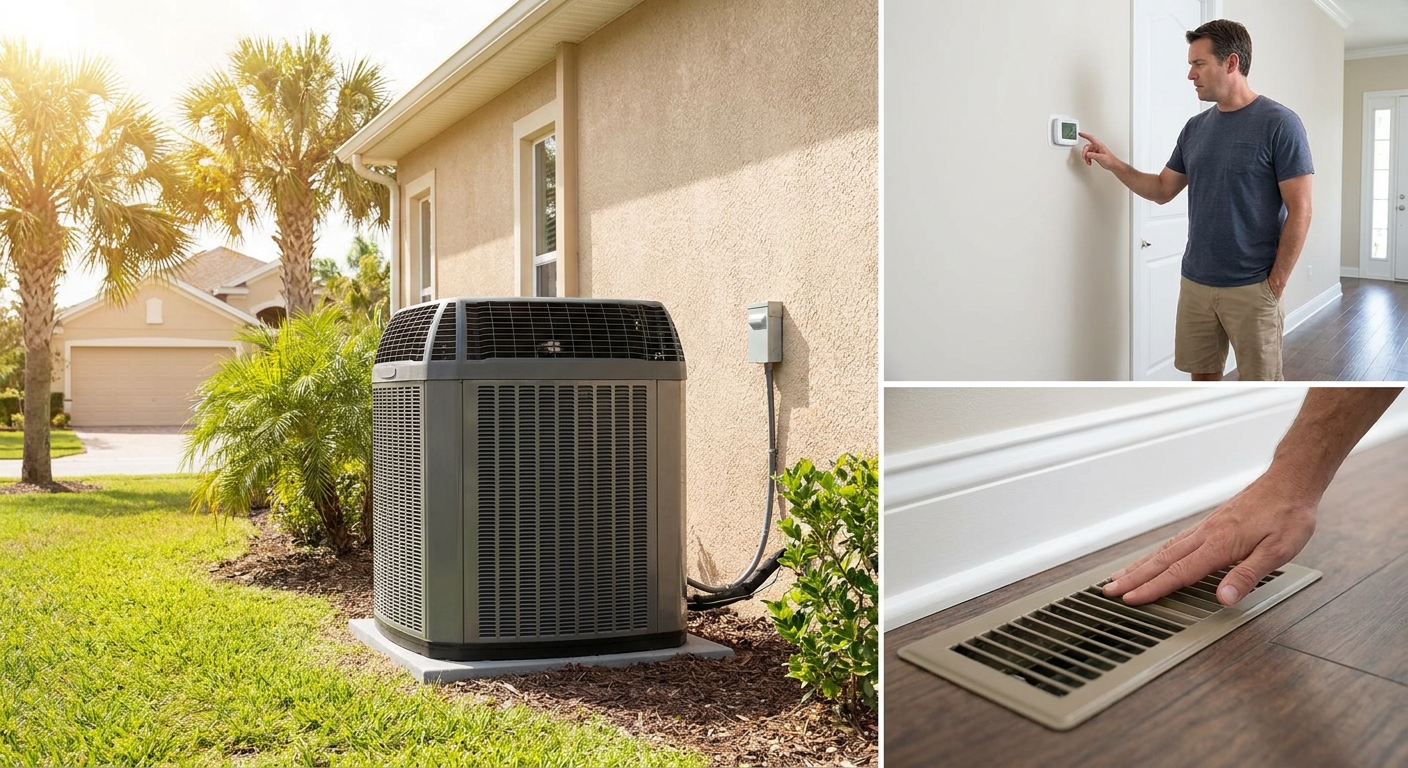
Here's what we know. Air conditioners don't just quit without warning. They leave clues. Sometimes it's a filter. Sometimes it's refrigerant. And sometimes it's something you can't see until a tech cracks open the unit. The key is knowing where to look — and when to stop guessing.
The Usual Suspects Behind Warm Air
We've seen this play out dozens of times. A system that worked fine last week suddenly feels like it's running on fumes. There's always a reason, and it's rarely just one thing. Start with the easy fixes, but don't ignore the bigger problems lurking underneath.
Most of the time, it comes down to a handful of issues that show up over and over again. Some are simple. Some require a pro. All of them need to be addressed before your next power bill doubles.
- Thermostat settings gone sideways: It happens more than you'd think. Someone flips it to fan mode or bumps the temperature up without realizing it. Check the display before you assume the worst.
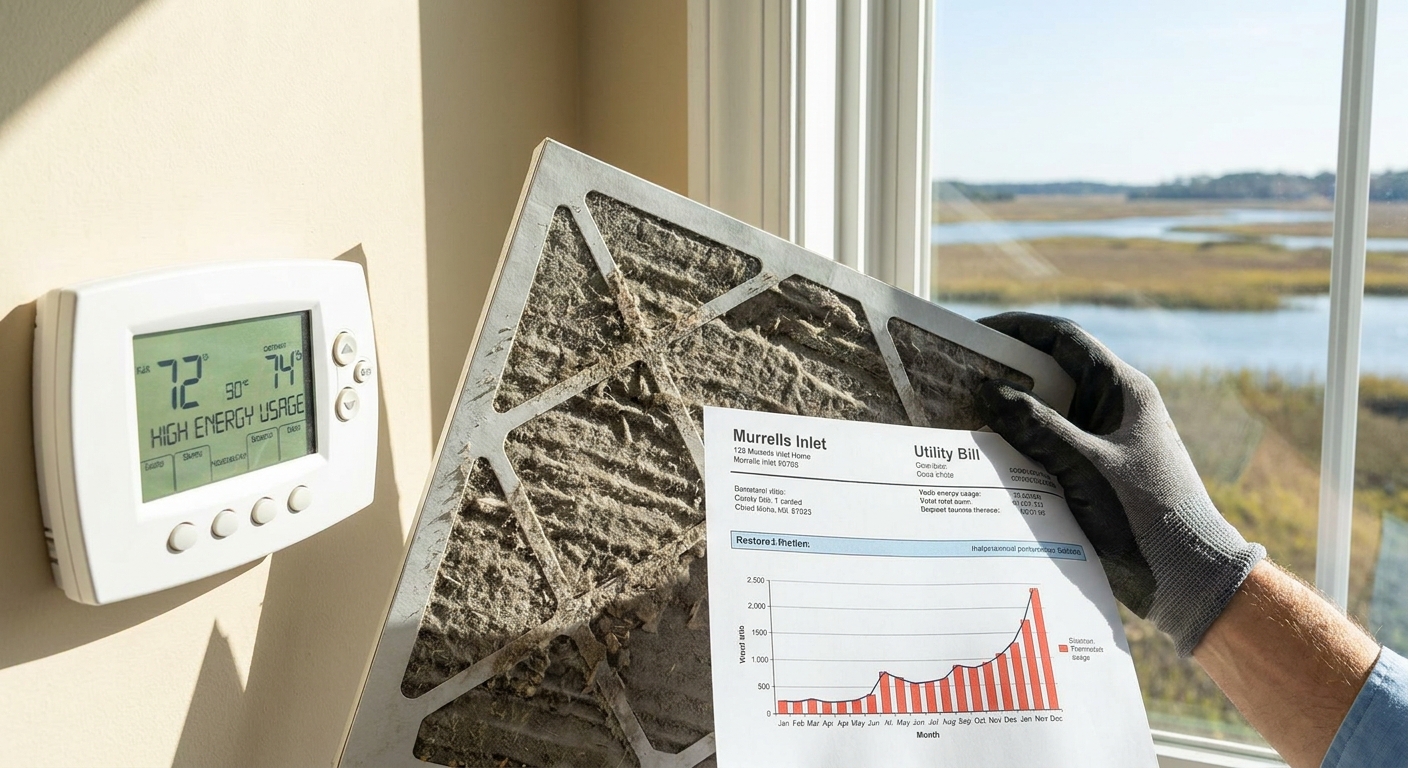
- Filters clogged with dust and debris: A dirty filter chokes airflow and forces your system to work harder for weaker results. Swap it out monthly during peak season and you'll dodge half the problems we see.
- Refrigerant leaking somewhere in the line: Low refrigerant means no cooling power. And if it's leaking, that's not a DIY fix. You need certified hands on that job.
- Outdoor unit not getting power: A tripped breaker or blown fuse can kill the compressor while the indoor fan keeps spinning. You get air movement, just no cold.
- Condenser coils buried in grime: The outdoor unit dumps heat through those coils. If they're covered in dirt or blocked by leaves, the whole system backs up and performance tanks.
When the Coils Ice Over
Frozen evaporator coils aren't just a weird quirk — they're a sign something's seriously off. Either airflow is restricted or refrigerant levels have dropped. Both scenarios stop your system from pulling heat out of the air. You'll notice ice forming on the indoor unit, and the air coming out feels more like room temperature than anything close to cool.
If you spot ice, shut the system down and let it thaw completely. Running it frozen just makes things worse. Once it's clear, check the filter and see if airflow improves. If the ice comes back, that's your cue to call in a tech. There's a deeper issue at play, and guessing won't fix it.
Ductwork Lets the Heat Sneak Back In
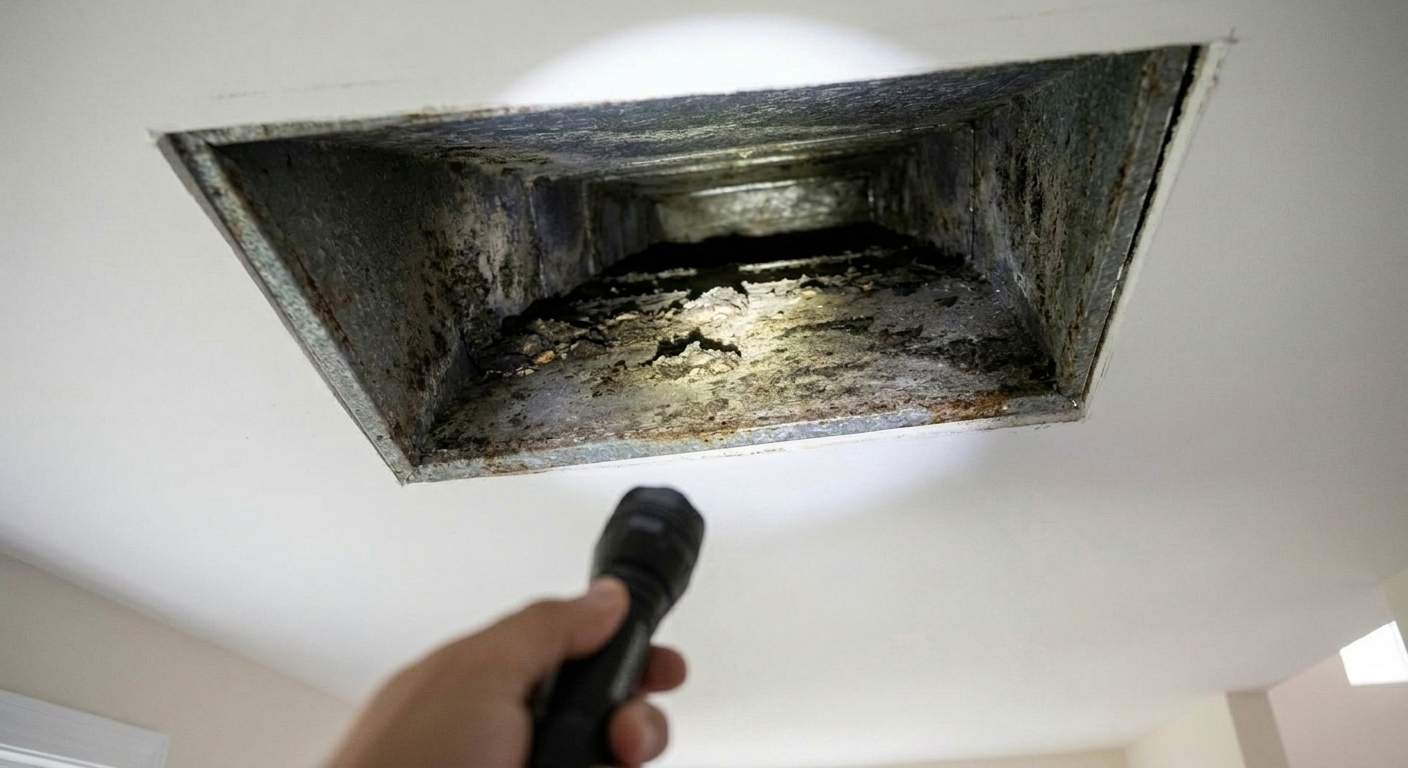
Your AC might be doing its job perfectly, but if the ducts have leaks or gaps, you're mixing cooled air with the hot mess sitting in your attic or crawl space. That diluted air stream hits your vents and feels weak. You're paying to cool the whole house, but half the air never makes it to the rooms.
Ductwork problems are harder to spot than a dirty filter, but they're just as common. Sealing those leaks can make a noticeable difference in comfort and efficiency. It's not glamorous work, but it pays off every time the system kicks on.
First Steps Before You Call Anyone
We're not saying you can fix everything yourself. But there are a few checkpoints worth hitting before you pick up the phone. These steps take minutes and catch the easy stuff that doesn't need a service call.
Start with the obvious and work your way deeper. If none of this moves the needle, you're past the DIY stage and into professional territory. That's not a failure — it's just knowing when to hand it off.
- Double-check the thermostat mode and temperature setting
- Pull the air filter and replace it if it looks clogged
- Walk outside and clear any debris around the condenser unit
- Look for ice on the indoor or outdoor components
- Confirm both breakers are flipped on and holding
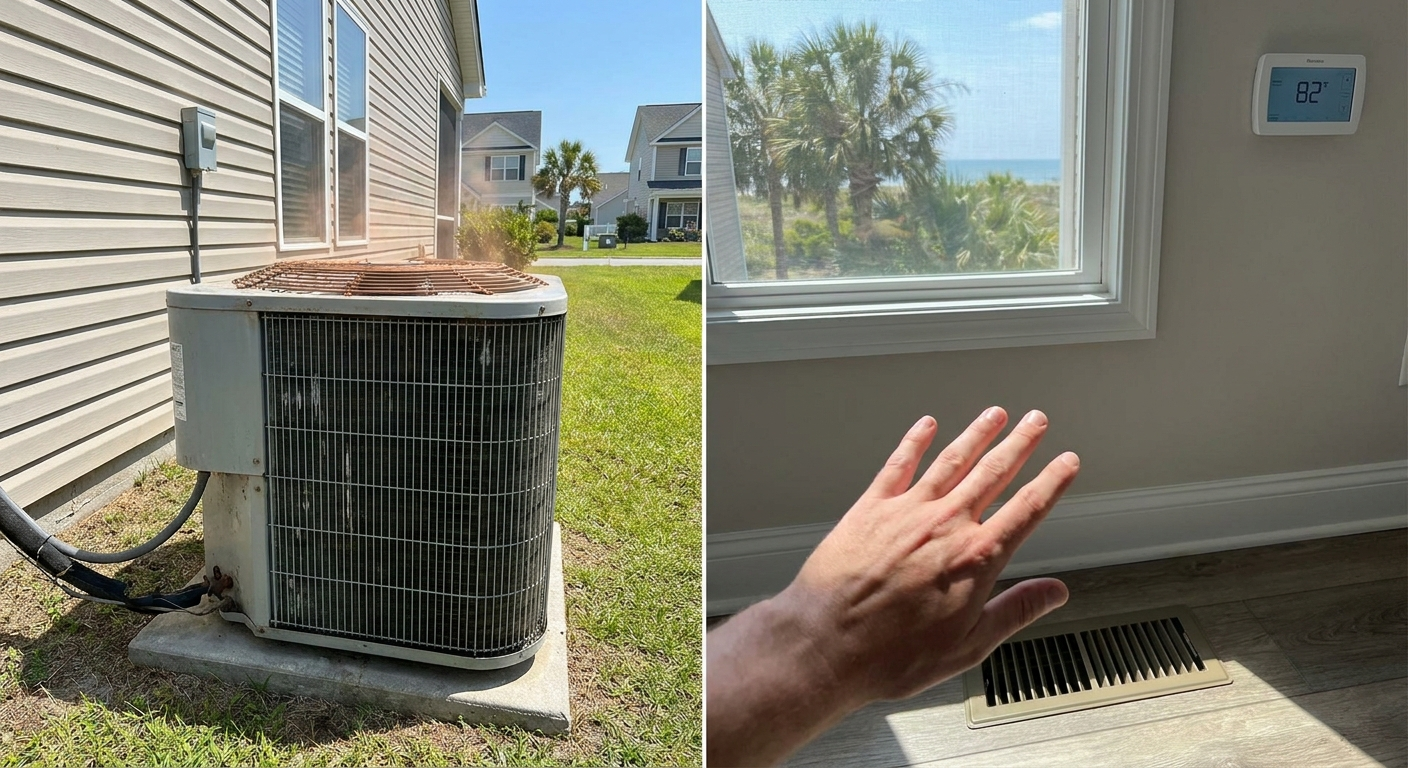
Myrtle Beach Heat Doesn't Wait for Repairs
In this climate, a broken AC isn't just inconvenient — it's a health risk. High heat and humidity can turn a home into a pressure cooker fast. Kids, elderly family members, and pets feel it first. Beyond comfort, you're also looking at skyrocketing energy costs as the system strains to keep up. And the longer you wait, the more damage accumulates. A small refrigerant leak today can become a compressor failure tomorrow.
Speed matters here. Not panic, but action. Get eyes on the problem before it compounds. Most HVAC techs in Myrtle Beach stay busy all summer for a reason — people wait until systems fully collapse instead of catching issues early. Don't be that call.
Stop Problems Before They Start
Reactive fixes cost more than proactive maintenance. Always. Schedule an annual tune-up before summer hits and you'll catch wear before it turns into failure. A tech can spot refrigerant drift, electrical wear, and airflow restrictions long before they become emergencies through HVAC maintenance.
Between service calls, stay on top of the basics. Filters need swapping. The outdoor unit needs clearance. And if something sounds off or performs weird, don't brush it aside. Small issues announce big problems if you listen.
- Book a tune-up every spring before the heat peaks
- Swap or clean filters every 30 days during heavy use
- Keep bushes, grass, and debris away from the outdoor unit
- Watch for strange noises, weak airflow, or temperature swings
- Don't wait for total failure to get a second opinion
When to Stop Troubleshooting and Make the Call
You can handle filters and breakers. You can clear debris and check settings. But refrigerant work, electrical diagnostics, and ductwork sealing? Those require licensing, tools, and experience. Trying to DIY your way through complex HVAC repairs usually ends in wasted time and a bigger bill.
A qualified tech can diagnose the root cause in minutes and explain your options clearly. They'll also spot secondary issues you didn't notice. It's not about handing over control — it's about using the right resource for the job.
- Refrigerant leaks need certified handling and recovery
- Electrical faults can be dangerous without proper testing
- Ductwork leaks require sealing in tight spaces
- Compressor or motor failure isn't a YouTube repair
- Warranty work often requires licensed service to stay valid
Comfort Runs on Systems That Work
Warm air from your vents isn't something to ignore or wait out. It's a signal that something in your AC system has shifted, failed, or degraded. The faster you respond, the less damage you'll deal with and the sooner you'll get back to actual cooling. Whether you need HVAC installation in Myrtle Beach, emergency HVAC repair in Myrtle Beach, or support with indoor air quality improvement, Myrtle Beach summers don't offer grace periods, and neither does a struggling HVAC unit. Stay ahead of it, keep your maintenance tight, and know when it's time to bring in someone who can fix it right the first time.
Let's Get Your Home Cool Again
We know how quickly Myrtle Beach heat can turn your home uncomfortable when your AC isn't pulling its weight. If you've tried the basics and your system still isn't delivering, it's time to let us take a look. Give us a call at 843-504-5974 and let’s get your comfort back on track. When you’re ready to put warm air behind you, schedule an appointment and we’ll handle the rest.
‹ Back
Recent Posts
-
Is Your Air Conditioner in Myrtle Beach Blowing Warm Air?
October 2, 2026
-
Can Dirty Air Ducts in Pawleys Island Affect Your Indoor Air Quality?
September 18, 2026
-

Is It Time to Replace Your Thermostat in Myrtle Beach?
September 4, 2026
-
-