


Can Dirty Air Ducts in Pawleys Island Affect Your Indoor Air Quality?
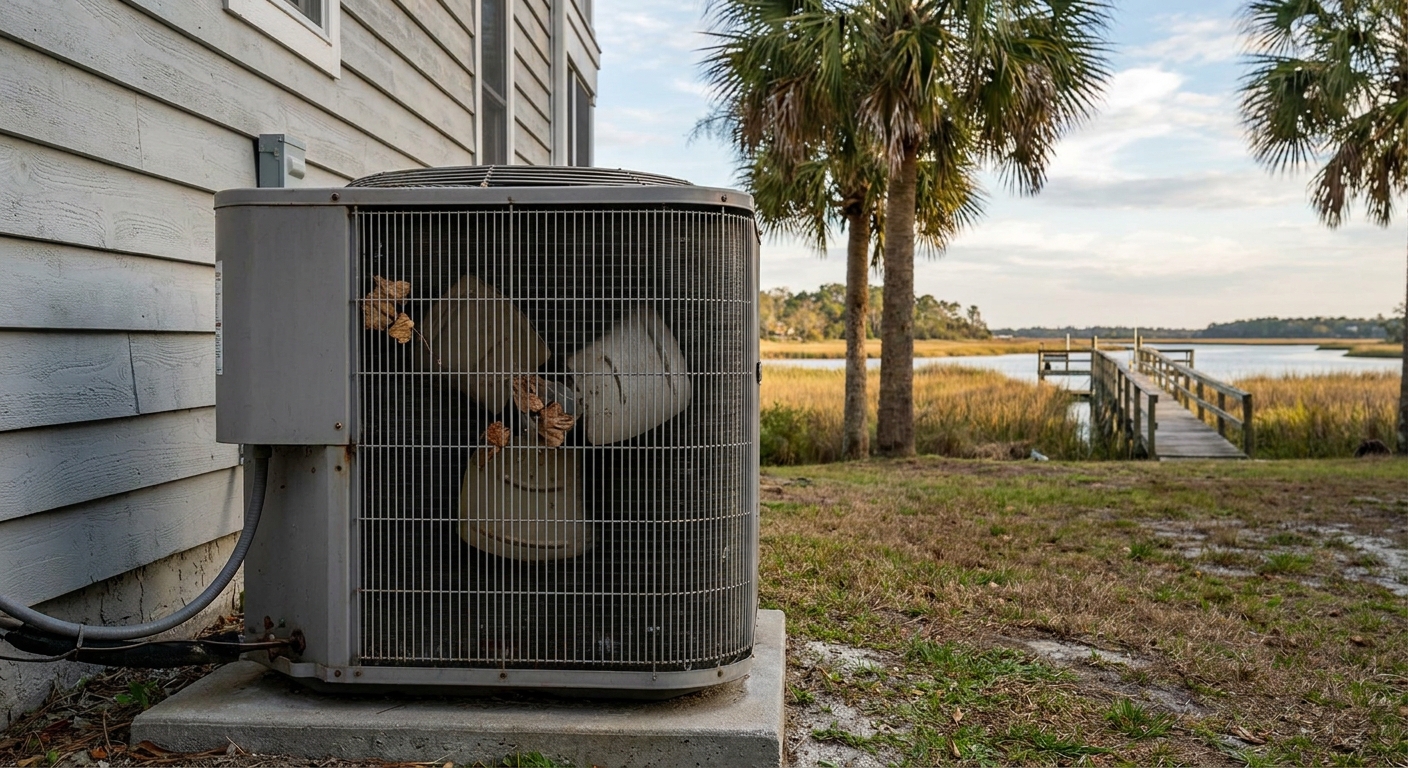
Most homeowners think air ducts are just tubes. Air goes in, air comes out. But the EPA sees more than that — and if you don't, you're breathing whatever's been sitting in there. Ducts may not show up on your to-do list, but they do leave a mark on your health. Especially in a place like Pawleys Island where humidity doesn't take a day off.
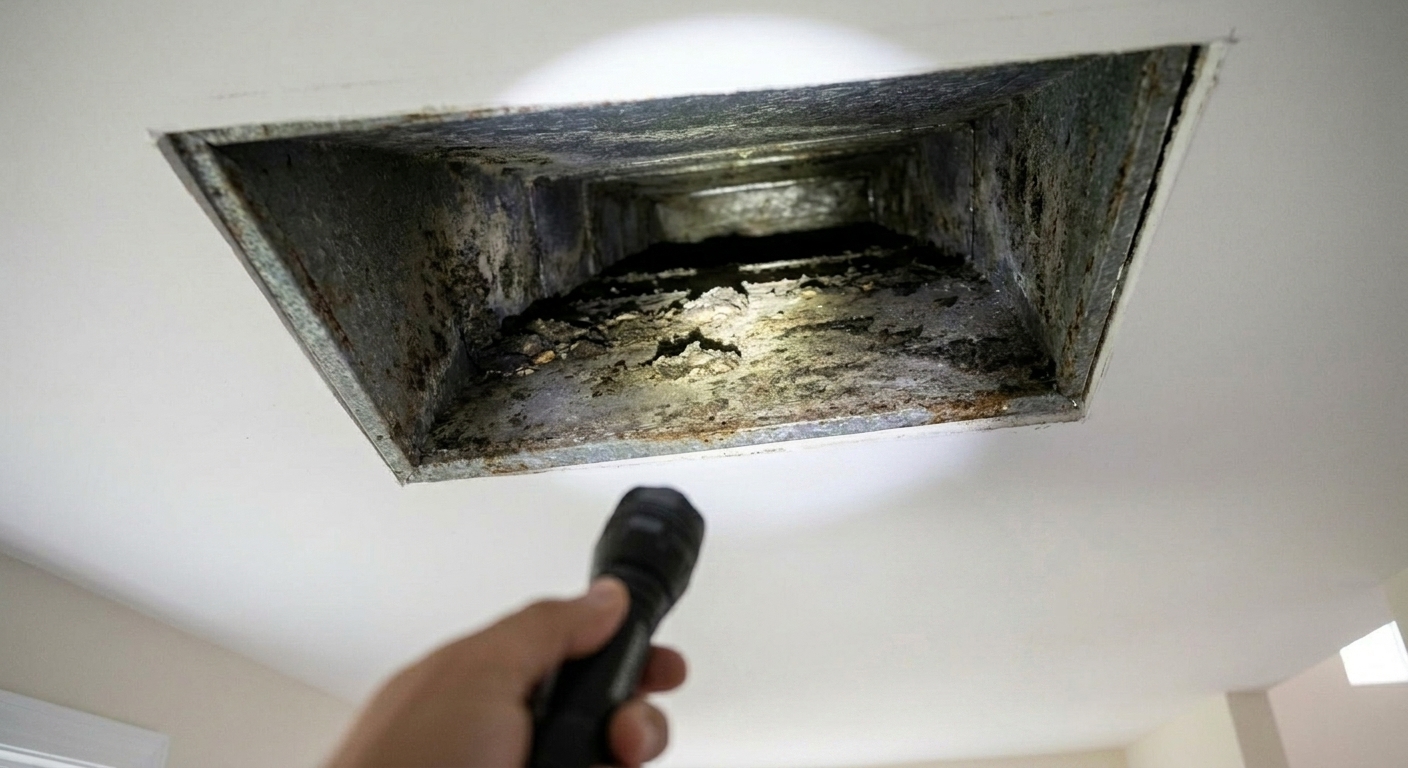
So here's the deal. If you're running your HVAC to keep things comfortable, that's great. Just don't treat those ducts like they're maintenance-free. Every cycle pulls from what's built up inside. Every breath should come from clean pathways. And every indoor air quality improvement decision should be grounded in what's hiding behind those vents — not just what you see on the surface.
What Builds Up When You're Not Looking
Your ductwork isn't sealed off from the world. It pulls in whatever floats through your home — dust from carpets, dander from pets, pollen tracked in on shoes. Add coastal moisture to the mix and you've got the kind of environment where mold doesn't need an invitation.
Every time your system kicks on, it distributes whatever's accumulated. That means the particles you thought you cleaned up last week are getting a second tour through your living room. And if moisture found its way in through a leak or crack, you're not just circulating dust anymore. You're sending spores into every room that shares that air supply.
The Symptoms Nobody Connects
We see it all the time. Families dealing with constant sniffles, scratchy throats, or headaches that won't quit. They blame allergies or the changing seasons, but never think to look at what's blowing through their vents.
Here's what dirty ductwork actually does to the people living under your roof:
- Triggers asthma flare-ups even when pollen counts are low
- Causes persistent coughing that over-the-counter meds don't touch
- Creates brain fog and fatigue that makes workdays harder than they should be
- Worsens skin irritation and respiratory issues in kids and elderly family members
- Leaves a stale, musty smell that no amount of air freshener can cover
Humidity Makes Everything Worse Here
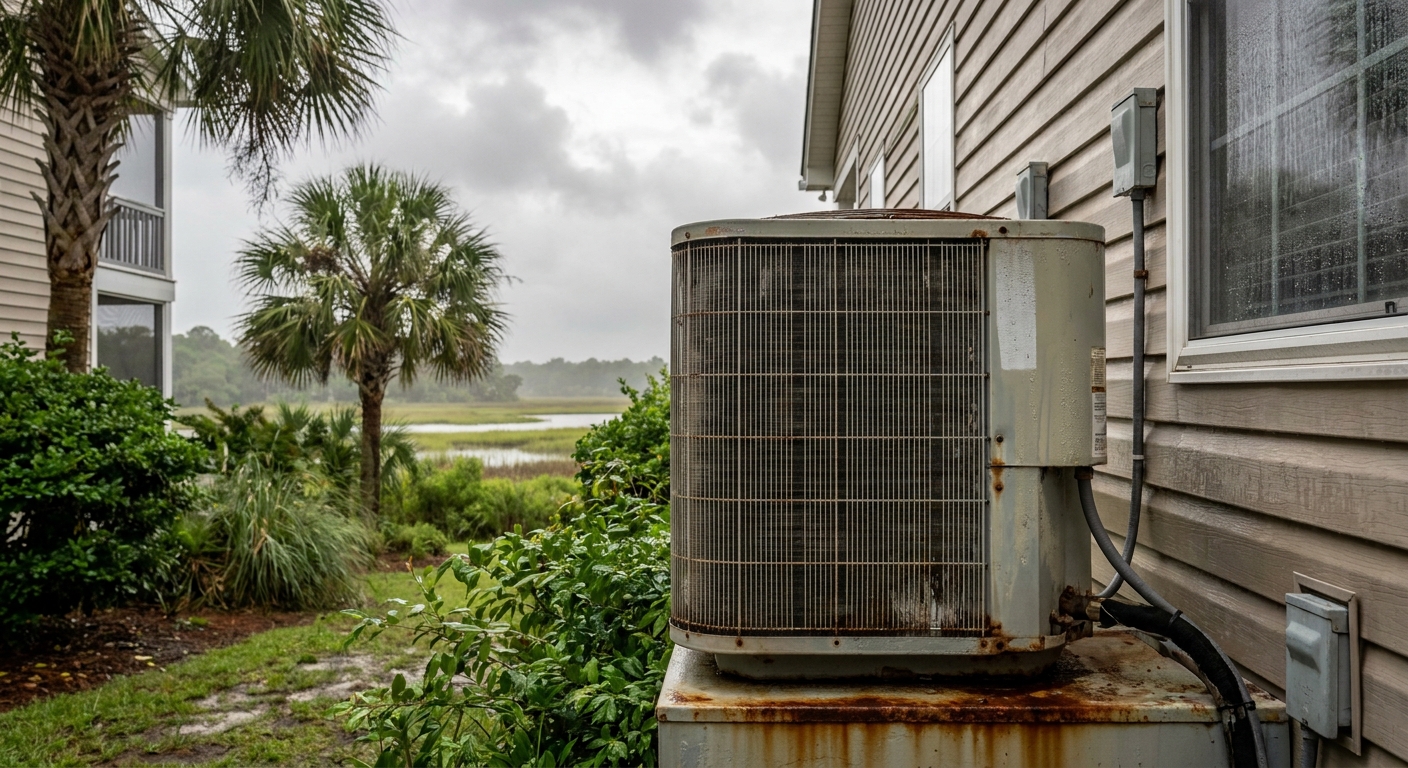
Pawleys Island isn't Phoenix. The air here holds water, and that water finds its way into places you'd never expect. Ductwork is one of them. When condensation forms inside those metal or flex channels, it doesn't just evaporate. It sits. It pools. It invites biological growth.
Mold doesn't need much. A little moisture, a little dust, and some time. Once it takes hold, your HVAC system becomes a delivery mechanism for spores. You're not just cooling your home anymore — you're distributing a contamination problem room by room. And because the ducts are hidden, most people don't realize it until someone gets sick or the smell becomes undeniable.
The Red Flags Most People Miss
You can't see inside your ducts without pulling them apart, but you don't need a camera to know something's off. Your home tells you. You just have to pay attention.
Watch for these warning signs:
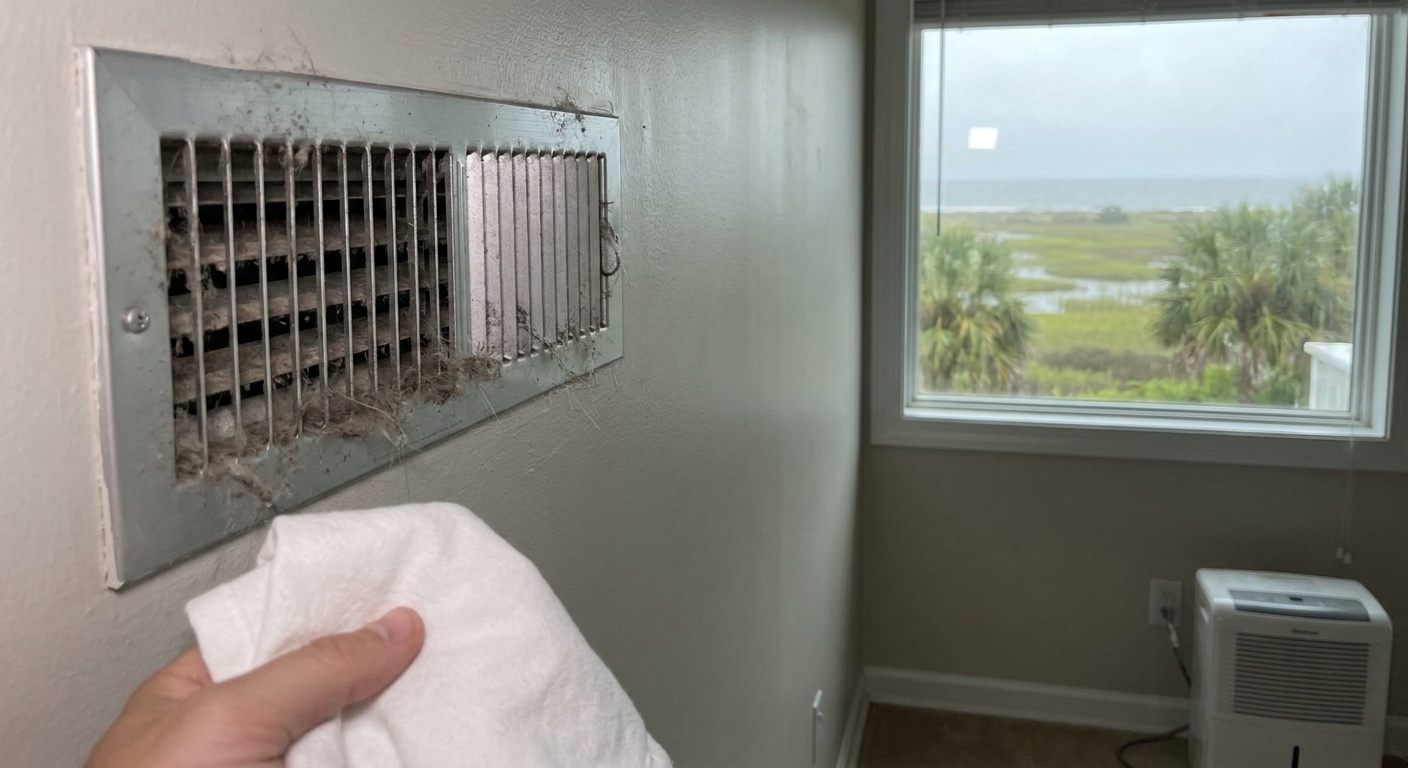
- Dust reappearing on furniture within hours of cleaning
- Black or gray residue around vent grilles
- Uneven temperatures between rooms that used to stay consistent
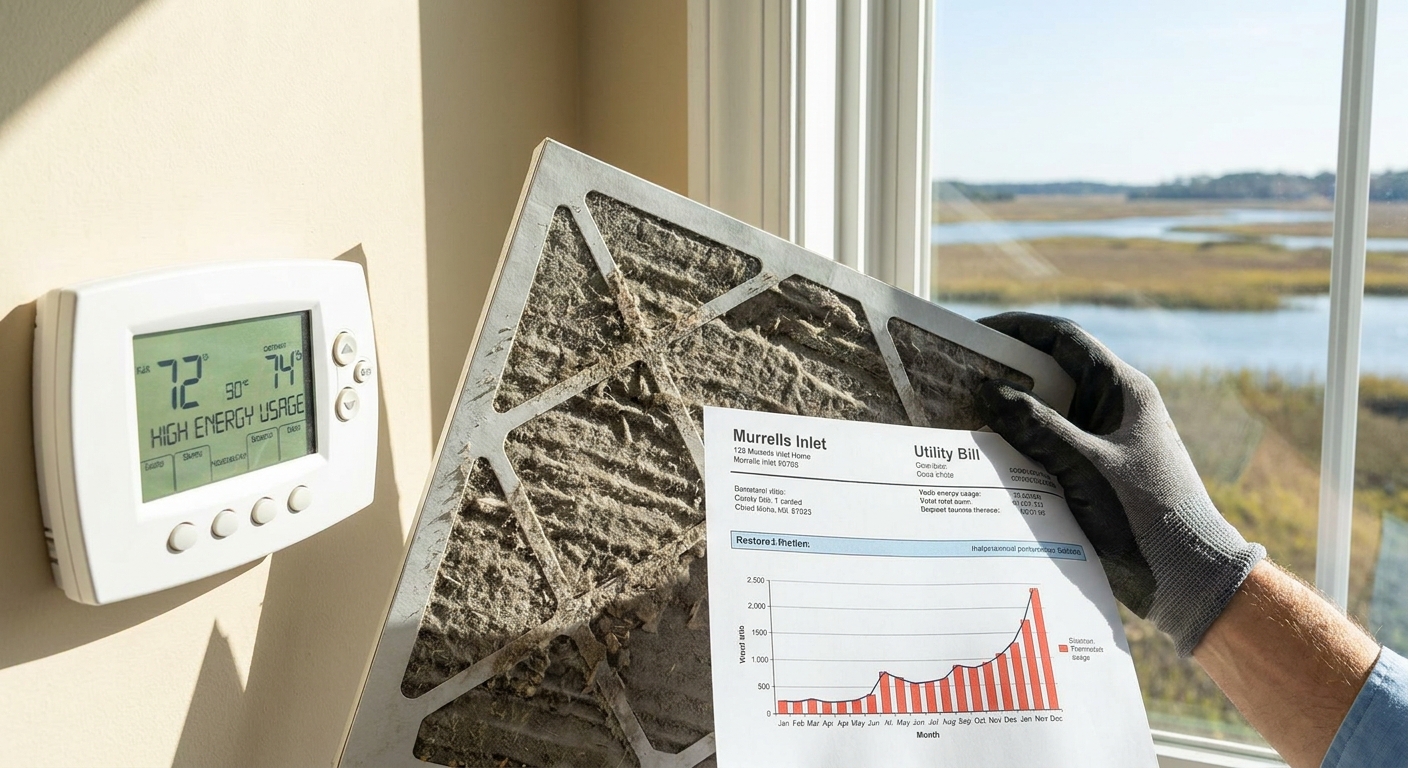
- A spike in your energy bill without changing your thermostat habits
- Allergy symptoms that get worse indoors and ease up outside
Your HVAC System Pays the Price Too
Contaminated ducts don't just affect your lungs. They choke your equipment. When debris builds up, airflow gets restricted. Your system has to work harder to push the same volume of air, which means more wear on the blower motor, more strain on the compressor, and a shorter lifespan overall.
We've seen units fail years ahead of schedule because the ducts were never cleaned. The homeowner thought they were saving money by skipping maintenance. Instead, they paid for a full replacement and still had to deal with the duct issue afterward. That's not frugal. That's expensive ignorance.
What Actually Works to Fix It
You can't Swiffer your way out of this one. Duct cleaning isn't a DIY project, and it's not something you can fake with a better air filter. It requires proper equipment and someone who knows how to use it without tearing up your system in the process.
Here's what real remediation looks like:
- A full inspection with cameras to identify problem areas and contamination levels
- Negative air pressure systems that pull debris out instead of just stirring it up
- Antimicrobial treatment for ducts that show mold or bacterial growth
- Sealing leaks and gaps so moisture and contaminants can't reenter
- Filter upgrades that catch particles before they ever reach the ductwork
Prevention Beats Cleanup Every Time
Once your ducts are clean, keeping them that way isn't complicated. It just requires consistency. We tell clients to think of ductwork like oil changes — boring, but non-negotiable if you want things to run right.
That means swapping filters on schedule, not when you remember. It means running a dehumidifier during the wettest months so condensation doesn't form. It means sealing any gaps or cracks in the ductwork so outside air and moisture stay outside. And it means scheduling a routine HVAC maintenance inspection every couple of years to catch problems before they become expensive.
The Cost of Waiting
Ignoring duct contamination doesn't make it go away. It compounds. The longer debris sits, the more it accumulates. The longer mold grows, the deeper it spreads. And the longer your family breathes compromised air, the more likely someone ends up with chronic symptoms or worse.
We've worked with homeowners who waited until someone ended up in urgent care. That's when they finally pulled the trigger on duct cleaning. By then, the damage was done — to their health, their HVAC system, and their wallet. You don't want to be that household. You want to be the one who handled it before it became a crisis.
Who You Trust Matters
Not every company that says they clean ducts actually does it right. Some blow air through the system and call it a day. Others use harsh chemicals that leave residue worse than the original problem. And plenty don't even inspect before they start, which means they're guessing at what needs to be done.
You need a team that uses proper tools, follows industry standards, and can show you before-and-after proof of what they removed. Certifications matter. References matter. And transparency about what they're doing and why it costs what it costs — that matters too.
Air Quality Isn't Luck
Breathing clean air at home shouldn't feel like a gamble. It's not about hoping your ducts are fine or assuming everything's handled because your house looks tidy. It's about taking control of what's circulating through your space and making sure it's not working against you. Homes in our coastal service areas face more moisture, more pollen, and more biological load than most. That's not an excuse to ignore ductwork. It's exactly why you can't. If you're in need of HVAC repair services or professional HVAC installation, working with experienced professionals ensures your system runs efficiently and your air stays clean.
Let's Breathe Easier Together
We all want our homes to be a safe haven, not a source of hidden health risks. If you're ready to take the next step toward cleaner air and a healthier living space, let's make it happen. Give us a call at 843-504-5974 or schedule an appointment today, and together we'll ensure your air ducts are working for you—not against you.
‹ Back
Recent Posts
-
Can Dirty Air Ducts in Pawleys Island Affect Your Indoor Air Quality?
September 18, 2026
-

Is It Time to Replace Your Thermostat in Myrtle Beach?
September 4, 2026
-
-
-