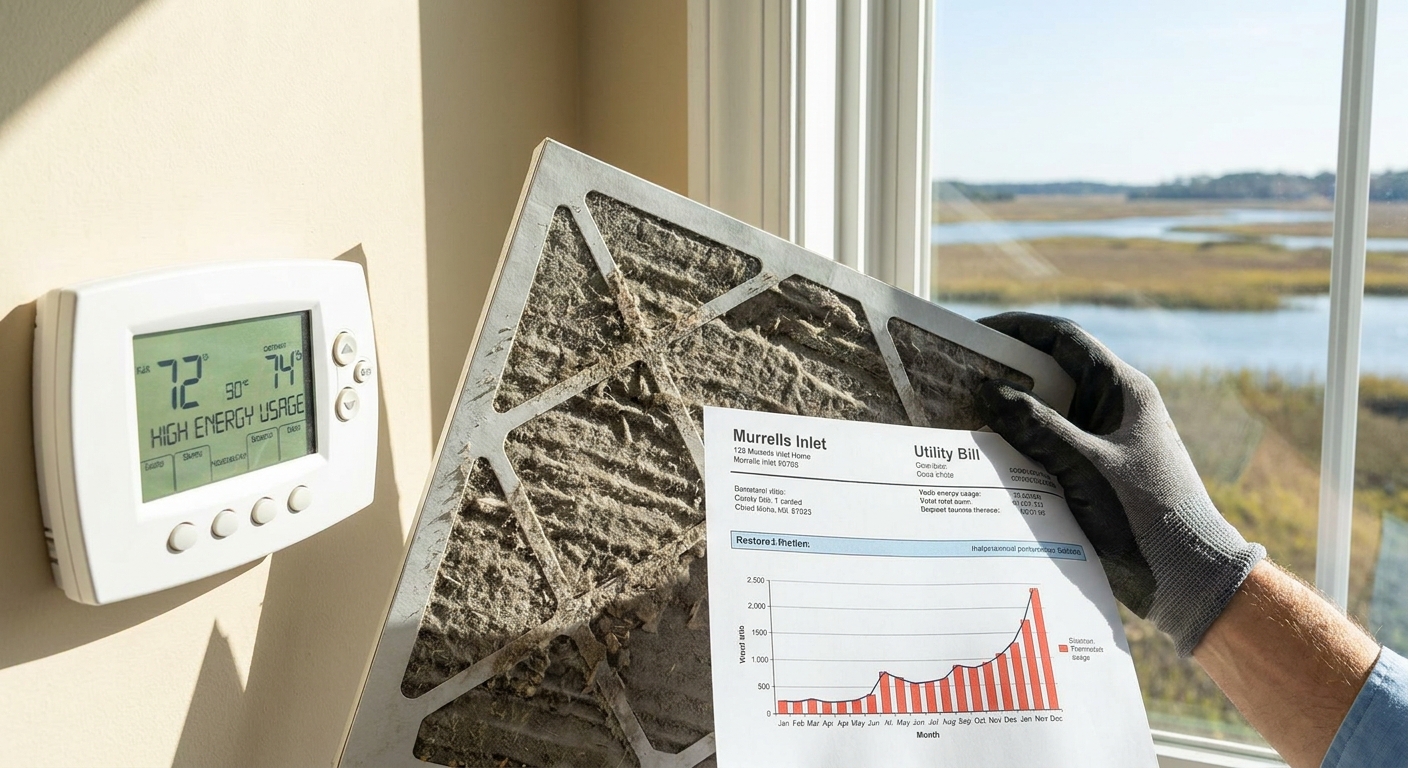



Does Your Furnace in Surfside Smell Strange When It Starts?
Most homeowners think a furnace is just about heat. Flip the switch, warm air comes out. But when that first blast carries a smell you weren't expecting, suddenly you're wondering if something's broken — or worse, dangerous. Odors don't always mean disaster, but they do mean something. And if you're not paying attention, you're gambling with your system, your safety, and your wallet.
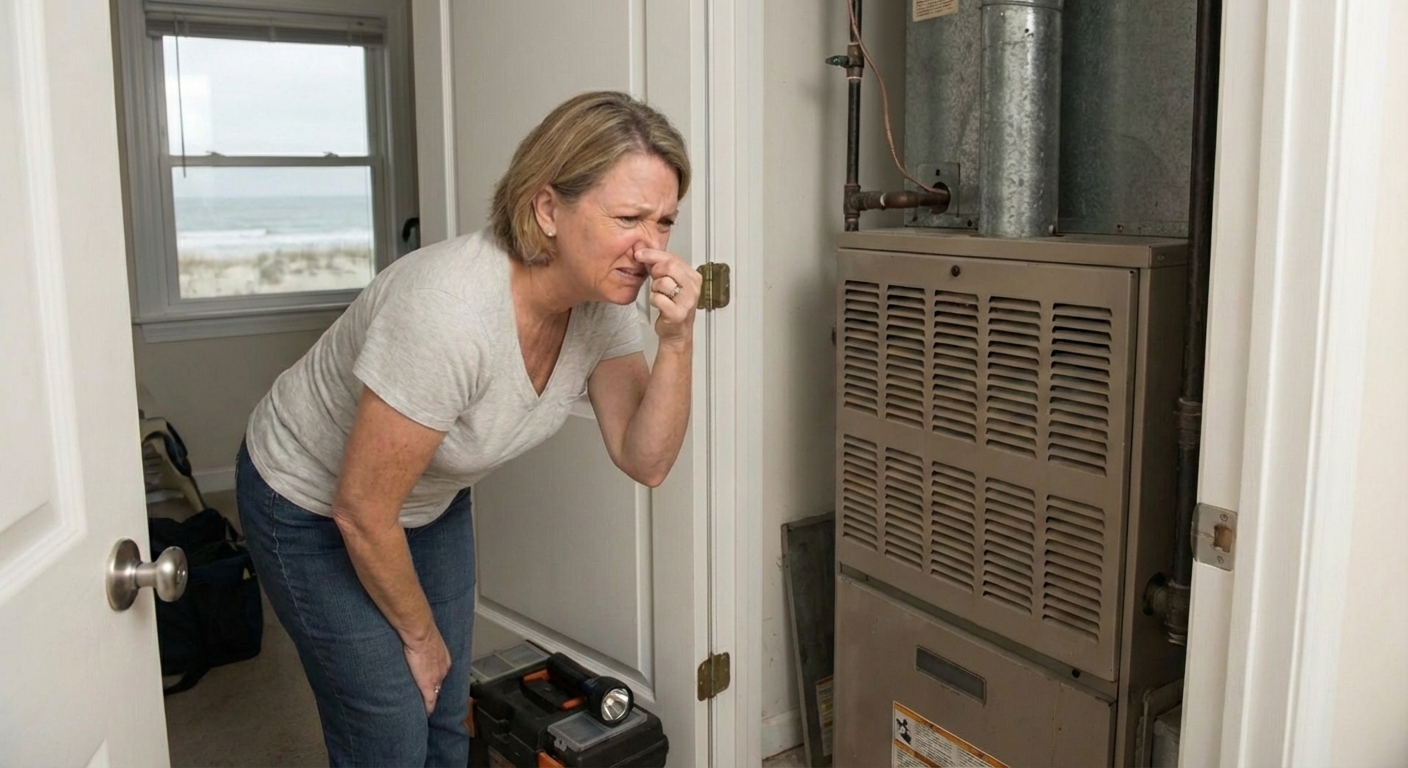
Here's what matters. Furnaces sit idle for months in Surfside. Dust settles. Moisture creeps in. Components age. When you fire it up again, all of that shows itself — sometimes as a harmless burn-off, sometimes as a red flag you can't afford to ignore. The difference between normal and not? That's what separates a quick fix from a costly emergency.
Dust Burns Off and Everyone Panics
The most common smell isn't a problem at all. It's just dust doing what dust does when it hits a hot surface. Over the summer, your heat exchanger and burners collect a layer of particles. The moment the furnace kicks on, that layer ignites. You get a burnt, slightly acrid odor that fills the room for an hour or two.
This is normal. It's expected. And it should fade fast. If it lingers past the first day or keeps coming back every time the system cycles, that's when you stop assuming and start investigating. Dust doesn't explain everything, and persistence usually points to buildup in places you can't see.
Mold Doesn't Announce Itself Politely
Musty smells mean moisture found a home. In a climate like Surfside, that's not hard to do. Mold grows in ductwork, around coils, and inside the furnace cabinet if conditions are right. When the blower kicks on, spores get pushed through every vent in your house.
This isn't just unpleasant. It's a health risk. Mold exposure can trigger respiratory issues, especially for kids, elderly residents, or anyone with asthma. If the smell doesn't clear after a few cycles, you're looking at a cleaning job — or a bigger remediation effort if the growth is widespread. Professional indoor air quality improvement services can address these concerns effectively.
Electrical Smells Mean Stop Right Now
Burning plastic. Melting rubber. Hot metal. Any of these scents coming from your furnace is a hard stop. Electrical components can overheat. Wiring can fray. Blower motors can seize. When that happens, the smell is your early warning before something catches fire or the system shuts down completely.
Don't wait to see if it goes away. Shut the furnace off and call a technician. Electrical failures escalate fast, and the cost of ignoring them is a lot higher than the cost of a service call. If you need immediate assistance, consider emergency HVAC repair services.
Gas Leaks Smell Like Rotten Eggs for a Reason
Natural gas has no odor on its own. Utility companies add mercaptan so you'll know when there's a leak. If you catch that sulfur, rotten-egg stench near your furnace, you're not dealing with a maintenance issue — you're dealing with a safety emergency.
Get out of the house. Don't flip switches. Don't light anything. Call your gas company or 911 from outside. Gas leaks can lead to explosions, and no amount of troubleshooting is worth that risk. This is the one smell that demands immediate evacuation, no exceptions.
Oil Furnaces Have Their Own Warning Signs
If your system runs on oil, a smoky or petroleum smell usually means incomplete combustion. That can happen when filters clog, burners get dirty, or the fuel-to-air ratio drifts out of spec. The result? Wasted fuel, reduced efficiency, and a higher chance of carbon monoxide buildup.
Oil furnaces need regular cleaning and adjustment. If you're smelling smoke or oil every time the system runs, it's not maintaining itself. Get it serviced before the problem compounds.
What You Can Do Before Calling Anyone
Not every odor requires a technician on day one. If the smell is mild and fades quickly, there are a few things worth checking on your own. Start with the basics and see if the issue resolves.
- Replace the air filter if it's been more than a month or two since the last swap
- Check vents and registers for visible dust or debris blocking airflow
- Make sure nothing flammable is sitting near the furnace or return vents
- Run the system for a few hours to see if the smell dissipates naturally
- Inspect the area around the furnace for signs of moisture, rust, or mold
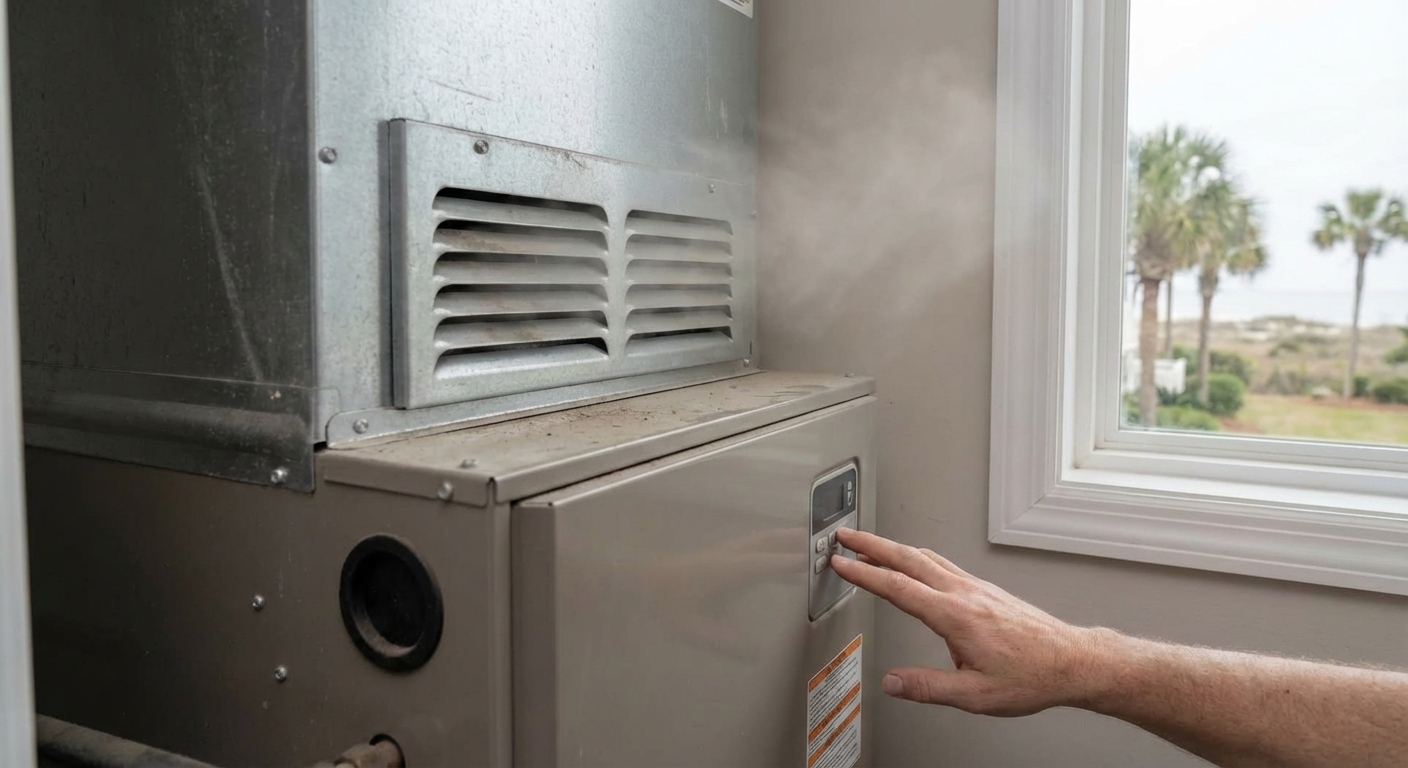
When DIY Stops Being Smart
There's a line between basic upkeep and real troubleshooting. If the smell persists, intensifies, or comes with other symptoms — strange noises, weak airflow, frequent cycling — you're past the point where a filter change will help. That's when you bring in someone who knows what they're looking at.
We've seen too many homeowners wait until the furnace quits entirely, thinking the smell would just go away. It doesn't. It gets worse. And by the time they call, what could have been a cleaning turns into a repair — or a replacement. Professional HVAC repair services can diagnose and resolve these issues before they escalate.
Maintenance Stops Problems Before They Start
Annual inspections aren't optional if you want a furnace that works when you need it. A technician can clean burners, check gas connections, test electrical components, and catch issues before they turn into smells — or failures. Most of the odors we've covered here are preventable with regular service.
Surfside's humidity makes this even more important. Moisture accelerates wear, promotes mold, and shortens the lifespan of key components. If you're skipping maintenance, you're not saving money. You're just deferring the bill until it's bigger. Scheduling routine HVAC maintenance helps prevent these costly issues.
What Your Nose Is Telling You
Strange smells aren't background noise. They're signals. Some are harmless. Some are urgent. The difference comes down to what you're smelling, how long it lasts, and whether it's happening in isolation or alongside other warning signs. Here's a quick reference for what to watch for.
- Dusty or burnt smell that fades in a few hours — usually normal
- Musty or moldy odor that persists — mold growth, needs cleaning
- Electrical or plastic burning smell — potential fire hazard, shut it down
- Rotten egg or sulfur smell — gas leak, evacuate immediately
- Smoky or oily smell from an oil furnace — incomplete combustion, service required
Documentation Backs Up Your Warranty
If your furnace is still under warranty, keeping records of maintenance and service calls can make the difference between a covered repair and an out-of-pocket expense. Manufacturers want proof that you maintained the system according to their guidelines. No records? No coverage.
Save receipts. Log service dates. Take photos if you notice visible issues. It's not paranoia — it's protecting your investment. And if a smell turns into a breakdown, you'll be glad you have the paper trail.
Smells Don't Fix Themselves
Ignoring an odor won't make it go away. It'll either fade because the issue was minor, or it'll escalate because the issue was real. The problem is, you won't know which until it's too late. That's why we push homeowners to act early — not out of fear, but out of practicality.
A service call costs less than a repair. A repair costs less than a replacement. And a replacement costs a hell of a lot less than a house fire or a carbon monoxide incident. The math isn't complicated. Neither is the decision. When you need professional HVAC installation or repair, working with experienced technicians ensures your system operates safely and efficiently.
Let’s Keep Your Home Safe and Comfortable
We know how unsettling furnace odors can be, and we’re here to help you breathe easy all season long. If you’re noticing strange smells or just want peace of mind before the next cold snap, let’s get your system checked by professionals who care about your comfort and safety. Give us a call at 843-504-5974 or schedule an appointment today so we can make sure your furnace is ready for whatever Surfside weather brings.
‹ Back
Recent Posts
-
Should You Repair or Replace Your HVAC System in Murrells Inlet?
October 16, 2026
-
Is Your Air Conditioner in Myrtle Beach Blowing Warm Air?
October 2, 2026
-
Can Dirty Air Ducts in Pawleys Island Affect Your Indoor Air Quality?
September 18, 2026
-

Is It Time to Replace Your Thermostat in Myrtle Beach?
September 4, 2026
-