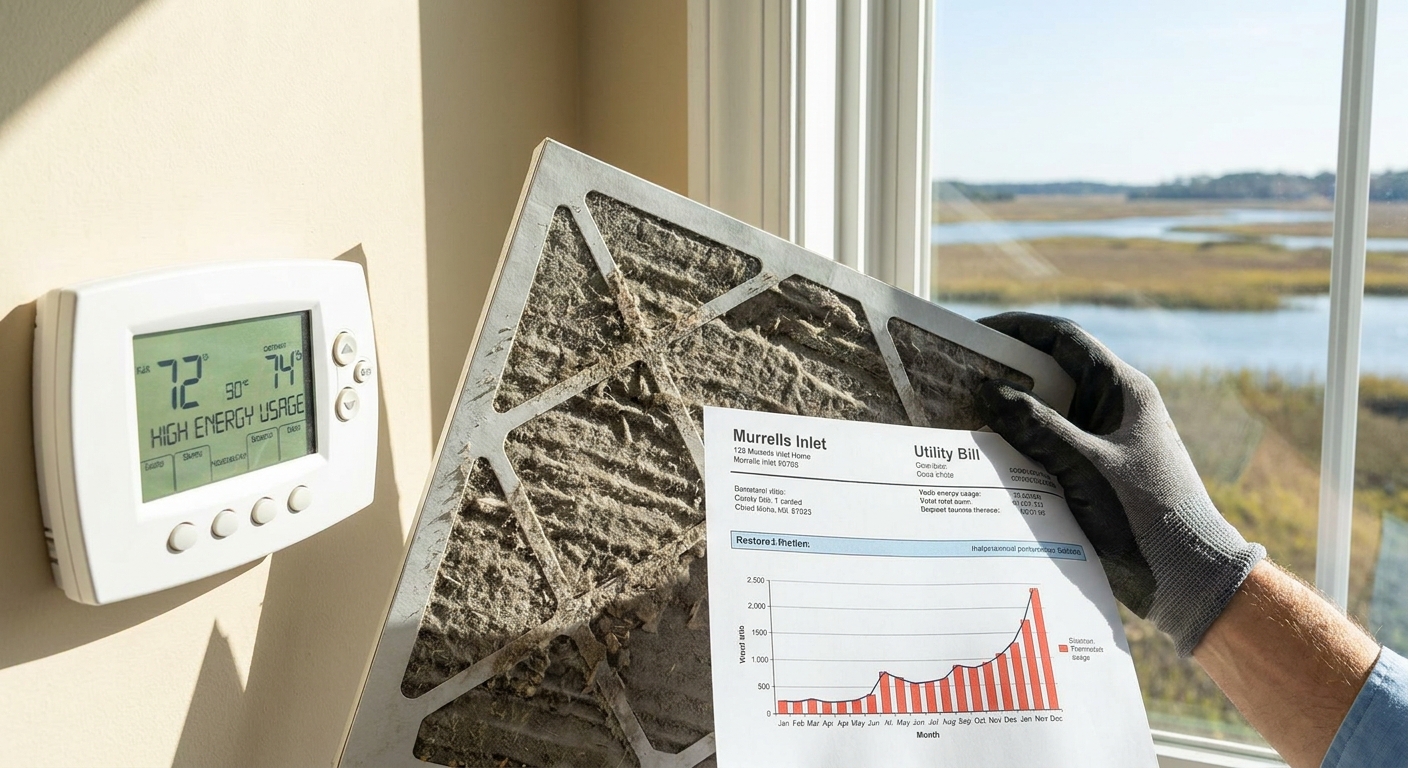



Is Your HVAC in Murrells Inlet Running Longer Than Usual?
Most homeowners think HVAC systems are just about comfort. Set the thermostat, walk away, and trust the machine to do its job. But when that system starts running longer than it used to — or worse, never seems to shut off — you're looking at more than a quirk. You're looking at wasted energy, higher bills, and equipment that's working itself into an early grave.
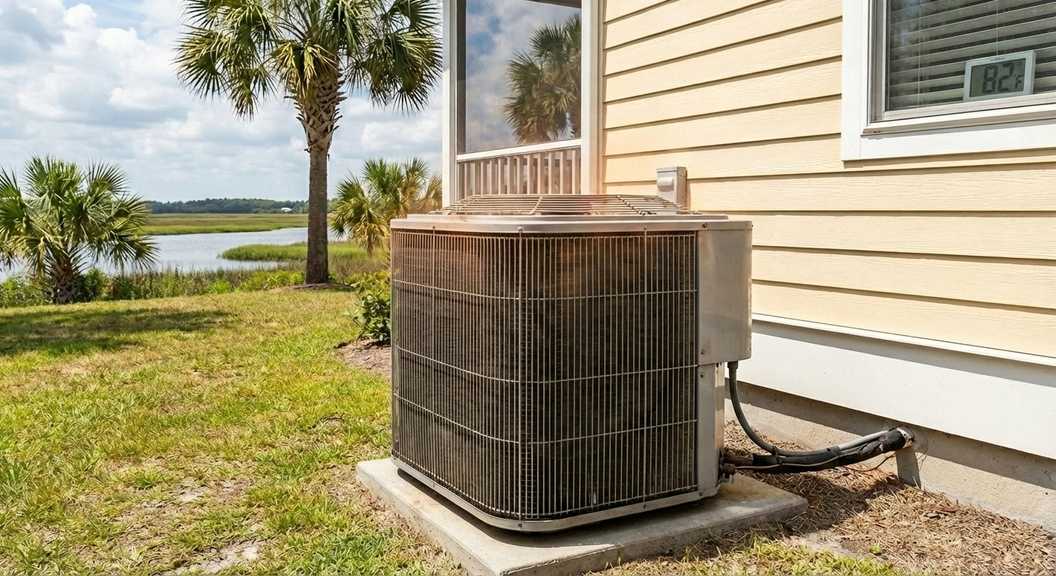
So here's the reality. If your unit in Murrells Inlet is cycling nonstop, that's not normal wear and tear. It's a signal. Something's forcing your system to compensate, and if you ignore it, you're not just losing efficiency — you're asking for a breakdown when you can least afford it.
When Runtime Becomes a Red Flag
Your HVAC should cycle on and off throughout the day. That's how it maintains temperature without burning through power. But if it's running constantly or for stretches that feel longer than they used to, the system is telling you it can't keep up. Maybe it's the heat. Maybe it's the equipment. Either way, it's not sustainable.
We see this all the time in coastal areas like Murrells Inlet. High humidity, salt air, and temperature swings put extra strain on systems that are already working hard. Add in a clogged filter or a refrigerant leak, and you've got a unit that's running full throttle just to stay afloat.
The Usual Suspects Behind Extended Cycles
There's no single reason your HVAC runs longer than it should. But there are patterns. And most of them come down to airflow, efficiency, or system sizing. Here's what we see most often when we dig into the problem.
These issues don't always announce themselves. They creep in over time, and by the time you notice the runtime, the damage is already underway.
- Filters clogged with dust and debris that choke airflow and force the blower to work overtime
- Ductwork leaking conditioned air into attics or crawl spaces before it ever reaches your rooms
- Thermostats placed in bad spots or reading temperatures that don't reflect the rest of the house
- Refrigerant levels running low due to leaks, which kills cooling capacity and extends runtime
- Insulation that's either missing or degraded, letting heat pour in during summer and escape during winter
Airflow Problems Compound Fast
Restricted airflow is one of the fastest ways to kill efficiency. When your system can't move air freely, it has to run longer to push enough volume through the house. That means more wear on the blower motor, more strain on the compressor, and more money out of your pocket every month.
Dirty filters are the most common culprit, but they're not the only one. Blocked vents, closed registers, or even furniture placed too close to return grilles can all create resistance. And in a humid climate like Murrells Inlet, that resistance gets worse when coils start collecting moisture and grime.
Your System Might Be the Wrong Size
If your HVAC was undersized from the start, it's going to struggle no matter what you do. A unit that's too small for your square footage will run constantly just to keep up with demand. It'll never hit the target temperature, and it'll burn out faster than it should.
Oversized systems have their own problems. They cycle on and off too quickly, which prevents proper dehumidification and creates uneven temperatures. But when it comes to extended runtime, undersizing is the bigger issue. And it's more common than most people realize, especially in older homes or additions that weren't properly calculated. Understanding common mistakes in sizing HVAC systems can help you avoid this problem from the start.
What You Can Check Before Calling Anyone
Not every long runtime requires a service call. Some fixes are simple enough to handle on your own, and they're worth trying before you pick up the phone. Start with the basics and see if anything changes.
These steps won't solve every problem, but they'll rule out the easy stuff. And if they don't help, at least you'll know the issue runs deeper.
- Swap out your air filter if it's been more than a month or looks visibly dirty
- Check that all vents and registers are open and unobstructed by furniture or curtains
- Verify your thermostat is set correctly and not stuck in a mode that forces continuous operation
- Walk around your home and feel for drafts near windows, doors, or outlets that might be letting air escape
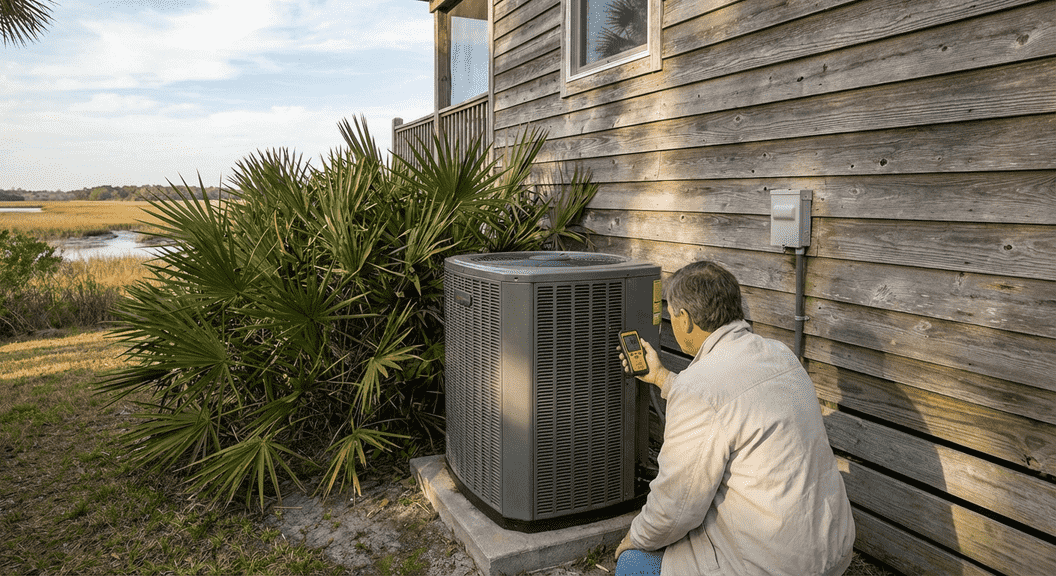
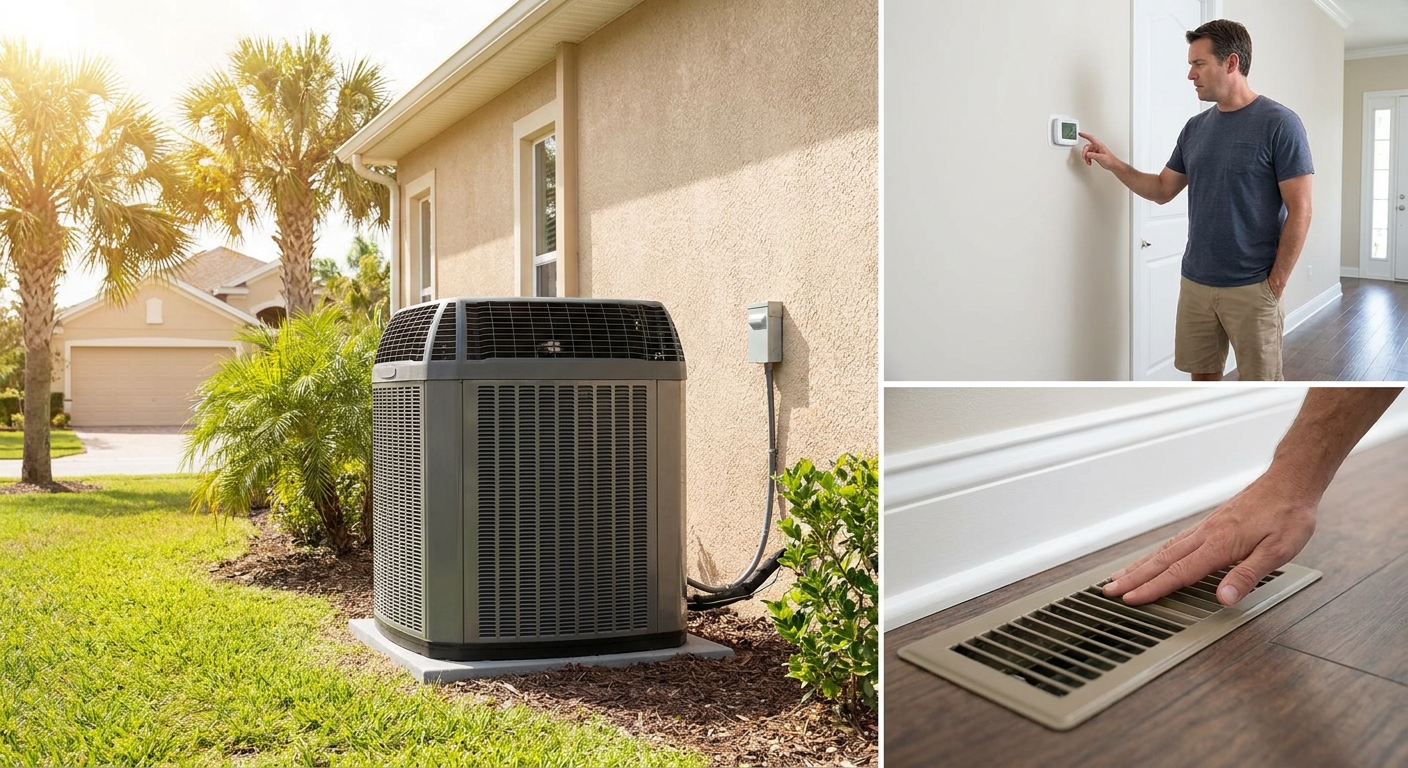
- Look at your outdoor unit to make sure it's not blocked by debris, plants, or anything else restricting airflow
When DIY Stops Being Enough
If you've checked the filters, cleared the vents, and your system is still running nonstop, it's time to bring in a professional. Extended runtime usually points to something mechanical — a failing compressor, a refrigerant leak, or ductwork that's falling apart behind the walls.
These aren't problems you can eyeball or fix with a screwdriver. They require diagnostic tools, technical knowledge, and sometimes replacement parts. And the longer you wait, the more expensive the fix becomes. Understanding the hidden costs of delaying HVAC repairs can help you make the right decision. A small refrigerant leak today can turn into a dead compressor tomorrow.
Humidity Makes Everything Worse
Murrells Inlet sits right on the coast, which means humidity is a constant factor. High moisture levels make your HVAC work harder because it's not just cooling the air — it's also pulling water out of it. If your system is already struggling, humidity tips it over the edge.
Dehumidification takes energy. And if your coils are dirty or your refrigerant is low, the system can't dehumidify effectively. That means longer runtimes, higher bills, and a house that feels sticky even when the thermostat says it's cool. Learning about managing humidity for better HVAC function can make a significant difference in system performance.
What Happens If You Ignore It
Running your HVAC longer than it should isn't just annoying. It's expensive. Every extra hour of runtime adds to your energy bill. Every extra cycle puts wear on components that were designed to rest between runs. And every day you wait increases the chance of a full system failure.
We've seen units that could have been saved with a simple repair end up needing full replacements because the owner waited too long. Compressors seize. Blower motors burn out. Coils crack. And when that happens, you're not looking at a service call — you're looking at thousands of dollars and days without air conditioning.
- Energy bills that climb month after month with no explanation
- Uneven temperatures across rooms because the system can't keep up
- Increased wear on motors, compressors, and other critical components
- Higher risk of total system failure during peak heat or cold
- Shortened lifespan for equipment that should have lasted years longer
Maintenance Stops Problems Before They Start
Most extended runtime issues don't appear overnight. They build up over months or even years of neglect. A filter that doesn't get changed. A coil that doesn't get cleaned. A refrigerant level that slowly drops without anyone noticing.
Regular maintenance catches these problems early. A good technician will spot a refrigerant leak before it kills your compressor. They'll clean coils before airflow becomes a problem. And they'll test components before they fail. It's not glamorous, but it works. Investing in professional HVAC maintenance is one of the smartest decisions you can make for your system's longevity.
- Annual inspections that catch small issues before they become expensive repairs
- Coil cleaning that restores airflow and efficiency
- Refrigerant checks that prevent leaks from draining your system
- Filter replacements on a schedule that keeps air moving freely
- Thermostat calibration to ensure accurate temperature readings
Don't Wait for the Breakdown
Extended runtime isn't just a nuisance. It's a warning. Your HVAC is telling you something's wrong, and the longer you ignore it, the worse it gets. Whether it's a dirty filter or a failing compressor, the fix is always cheaper when you catch it early. Knowing how regular HVAC maintenance can save on energy costs makes preventive care even more valuable.
We help homeowners in Murrells Inlet keep their systems running efficiently — not just when they break, but before they ever get the chance. If your unit's been running longer than it should, don't wait for the bill to spike or the system to quit. Contact our team for professional HVAC repair services now, while there's still time to fix it right.
Let’s Get Your HVAC Back on Track
We know how frustrating it is when your HVAC just won’t quit running, especially with Murrells Inlet’s challenging climate. Let’s work together to restore your comfort, lower those energy bills, and keep your system in top shape for the long haul. If you’re ready for answers and real solutions, give us a call at 843-504-5974 or schedule an appointment with our team today.
‹ Back
Recent Posts
-
Should You Repair or Replace Your HVAC System in Murrells Inlet?
October 16, 2026
-
Is Your Air Conditioner in Myrtle Beach Blowing Warm Air?
October 2, 2026
-
Can Dirty Air Ducts in Pawleys Island Affect Your Indoor Air Quality?
September 18, 2026
-

Is It Time to Replace Your Thermostat in Myrtle Beach?
September 4, 2026
-