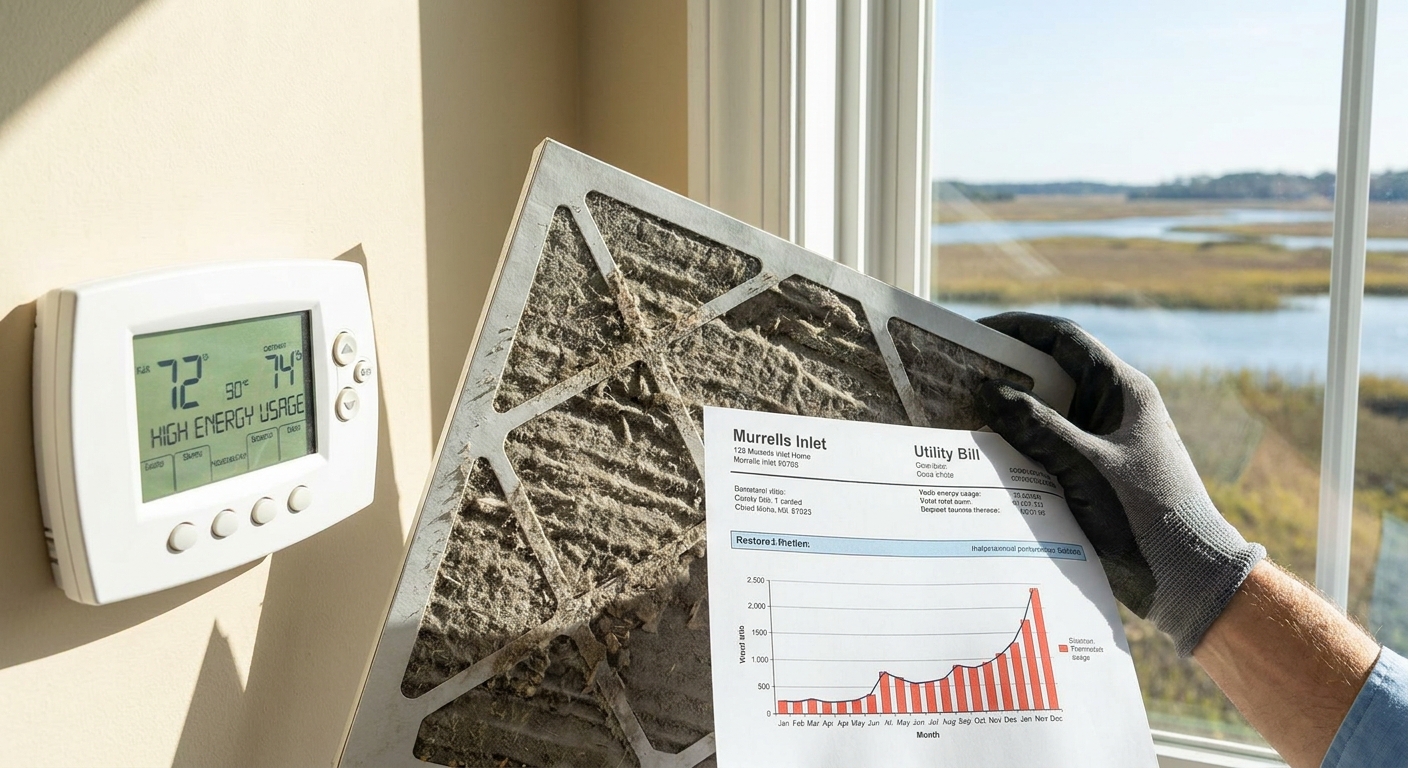



Is Your HVAC System in Murrells Inlet Making Loud Noises?
Most homeowners think HVAC noise is just part of the deal. Your system kicks on, it hums, it clicks, it shuts off. But when the racket gets loud enough that you notice it from the next room, that's not normal wear and tear—that's a warning. Your unit is telling you something's off, and if we ignore it, we're asking for a breakdown in the middle of July or a repair bill that could've been avoided.
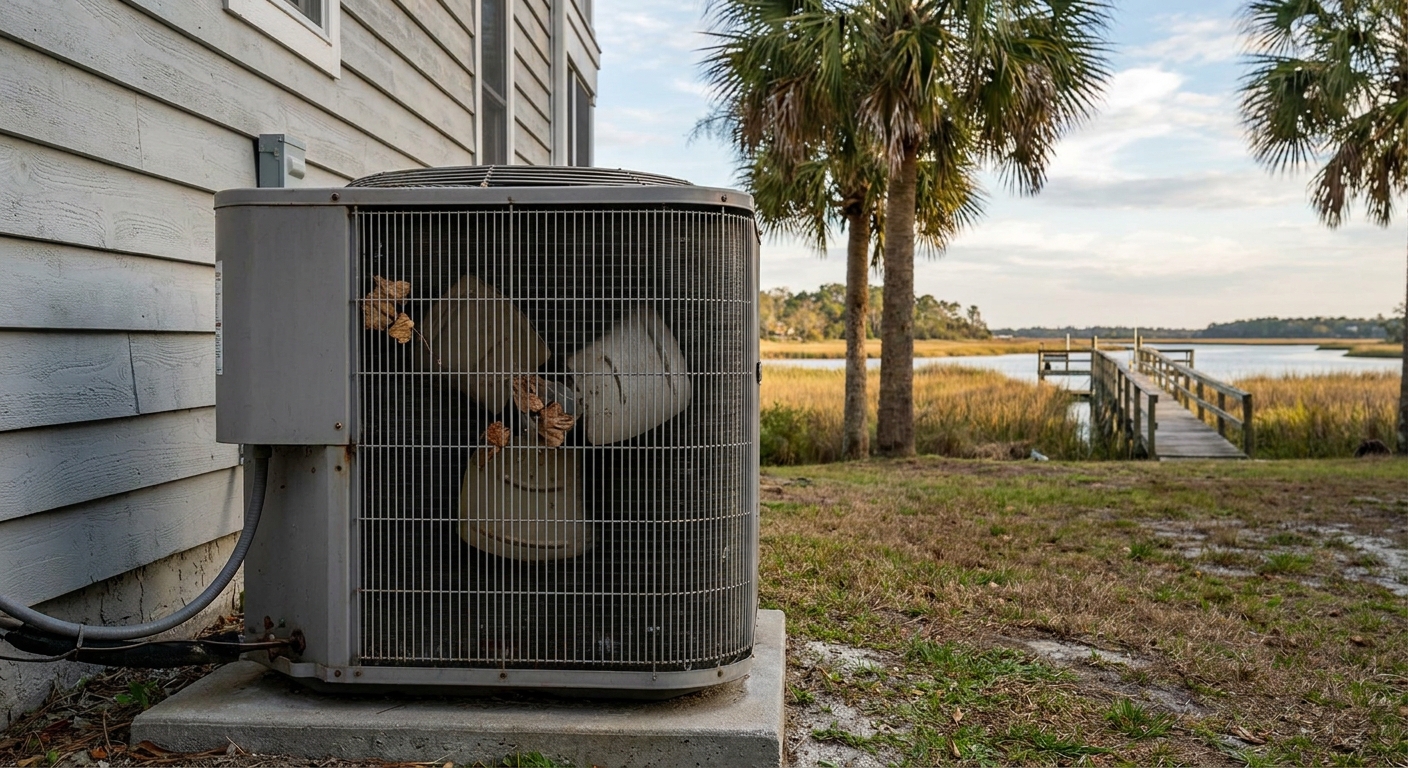
So here's the truth. If your system's rattling, screeching, or banging around like it's got a grudge, that's not something you ride out. Every sound has a cause. Every cause has a fix. And every ignored symptom turns into a bigger headache down the line—not just financially, but in comfort, efficiency, and peace of mind.
When Metal Starts Screaming
High-pitched squeals aren't subtle. They cut through walls and make it impossible to pretend everything's fine. Most of the time, that sound points straight to the motor or the belt. Worn-out belts slip and screech. Bearings run dry and start grinding. Neither one's a mystery, but both need attention before the motor seizes or the belt snaps completely.
We've seen units run for weeks on a failing belt, and the homeowner just cranked up the TV volume. That doesn't make the problem go away. It makes it worse. A quick belt replacement is cheap. A burned-out motor because the belt gave out? That's a different conversation entirely.
The Bang That Shouldn't Be There
Banging noises inside your HVAC system usually mean something's come loose or broken off. Could be a compressor part. Could be something rattling around in the blower assembly. Either way, metal on metal isn't a sound we want echoing through the ductwork.
This is the kind of issue that spirals fast. A loose component doesn't just sit there politely—it bounces around, damages other parts, and turns a single repair into a multi-part replacement. If we catch it early, we're looking at tightening bolts or swapping out a broken piece. If we wait, we're looking at compressor failure or worse.
Sounds That Point to Air and Refrigerant
Hissing is never a good sign. It's either air escaping from your ductwork or refrigerant leaking from the system. Both cut into efficiency. Both cost money every month they go unfixed. And refrigerant leaks? Those aren't just wasteful—they're environmental hazards and they tank your system's ability to cool your home.
If the hiss is coming from the outdoor unit, check for visible damage or frost buildup. If it's subtle and you're not sure where it's coming from, call someone in. Refrigerant leaks require licensed pros with the right tools and certifications. That's not a DIY Saturday project.
Rattles, Clicks, and the Little Things That Add Up
Sometimes the noise isn't dramatic. It's just annoying. A rattle here. A click there. Panels vibrating because a screw backed out. Debris stuck in the fan. These don't feel urgent, so they get pushed to the back of the list.
But here's what happens when we let the small stuff slide:
- Loose panels create gaps that let conditioned air escape
- Vibrations stress other components and accelerate wear
- Debris damages blades or clogs airflow
- Clicking from the thermostat means controls are failing
- Persistent buzzing signals electrical trouble that could be dangerous
Why Waiting Makes Everything Worse
We get it. Life's busy. A noisy HVAC unit that still cools the house feels like a problem we can push off. But ignored symptoms don't fix themselves—they compound. The longer a failing part runs, the more damage it does to the system around it.
Here's what you're risking when you wait:
- Higher utility bills from reduced efficiency
- Shortened lifespan of the entire system
- Unexpected breakdowns during peak season
- Repair costs that balloon from minor fixes to major overhauls
- Safety risks if the issue involves electrical or refrigerant components
What We Do When the Noise Starts
First move? Shut it down. If the sound is sudden, loud, or new, don't keep running the system just to power through. Turn it off, check for anything obvious—loose screws, visible debris, panels rattling—and handle what's safe to handle. Beyond that, it's time to call in someone who knows what they're looking at.
A good technician won't just fix the noise. They'll trace it back to the root cause, check surrounding components for related wear, and give you a clear picture of what's happening and what needs to happen next. That's the difference between a patch job and a real solution. When issues arise unexpectedly, seeking emergency HVAC repair in Myrtle Beach ensures you're back to comfort quickly.
Maintenance That Keeps Things Quiet
Regular checkups aren't just about preventing breakdowns—they're about catching the little things before they turn into loud things. Annual maintenance means:
- Lubricating moving parts so bearings don't seize
- Tightening bolts and screws before they vibrate loose
- Cleaning debris out of fans and coils
- Checking refrigerant levels and sealing leaks early
- Testing electrical connections to avoid buzzing or clicking
Who You Call Matters
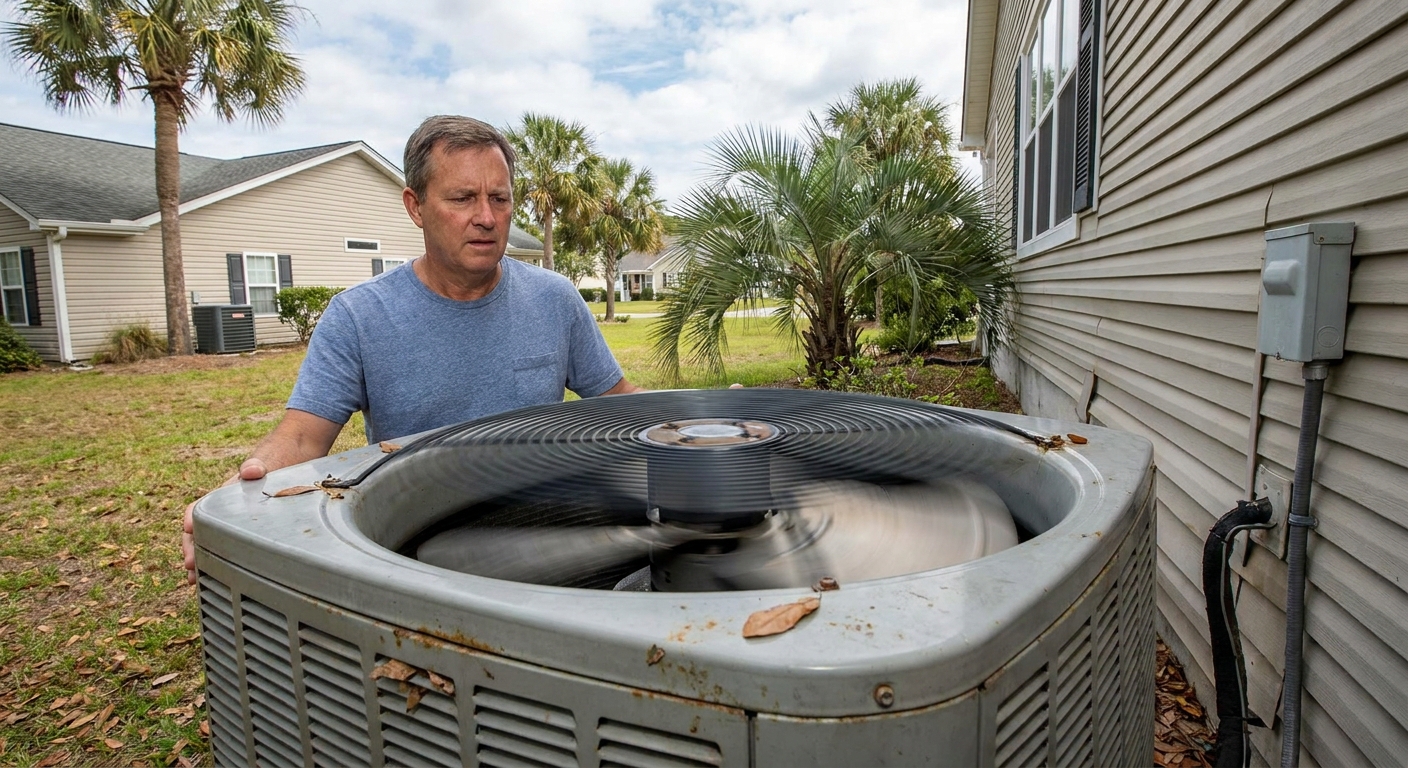
Not every HVAC company operates the same way. Some show up fast, diagnose accurately, and fix it right the first time. Others drag their feet, guess at the problem, or push unnecessary replacements. In Murrells Inlet, you want a team that knows the local climate, understands the systems homeowners actually have, and backs up their work with real experience.
Look for licensed, insured techs with solid local reviews. Ask if they service your specific brand and model. Confirm they offer emergency response if something goes sideways outside business hours. Those details matter when your system's down and the temperature's climbing. Understanding top causes of HVAC problems in local homes helps you choose the right service provider.
The Cost of Doing Nothing
A loud HVAC system isn't just annoying—it's expensive. Every day it runs inefficiently, your energy bill ticks up. Every week a failing part keeps grinding, the repair cost grows. And when it finally gives out completely, you're looking at emergency service rates, lost comfort, and possibly a full replacement if the damage spread too far. Learning about the hidden costs of delaying HVAC repairs in coastal environments can motivate timely action.
We help homeowners avoid that spiral by acting early, diagnosing correctly, and fixing it once. Because the cheapest repair is always the one you catch before it becomes a crisis. Understanding how to tell if your thermostat is causing HVAC problems can also save you time and money on unnecessary service calls.
Don't Let the Noise Win
Your HVAC system doesn't get loud for fun. It's mechanical, not dramatic. When something's wrong, it makes noise. When we ignore that noise, we pay for it later—in money, in comfort, and in stress. The fix is almost always simpler when we address it early, and the peace of mind that comes with a quiet, efficient system is worth every bit of effort it takes to get there.
Let’s Restore Comfort and Quiet Together
We know how disruptive a noisy HVAC system can be, and we’re here to help you get back to a peaceful, comfortable home. Don’t wait for a small sound to turn into a major headache—let’s tackle the issue before it grows. Give us a call at 843-504-5974 or schedule an appointment today, and together we’ll make sure your system runs smoothly all season long.
‹ Back
Recent Posts
-
Should You Repair or Replace Your HVAC System in Murrells Inlet?
October 16, 2026
-
Is Your Air Conditioner in Myrtle Beach Blowing Warm Air?
October 2, 2026
-
Can Dirty Air Ducts in Pawleys Island Affect Your Indoor Air Quality?
September 18, 2026
-

Is It Time to Replace Your Thermostat in Myrtle Beach?
September 4, 2026
-