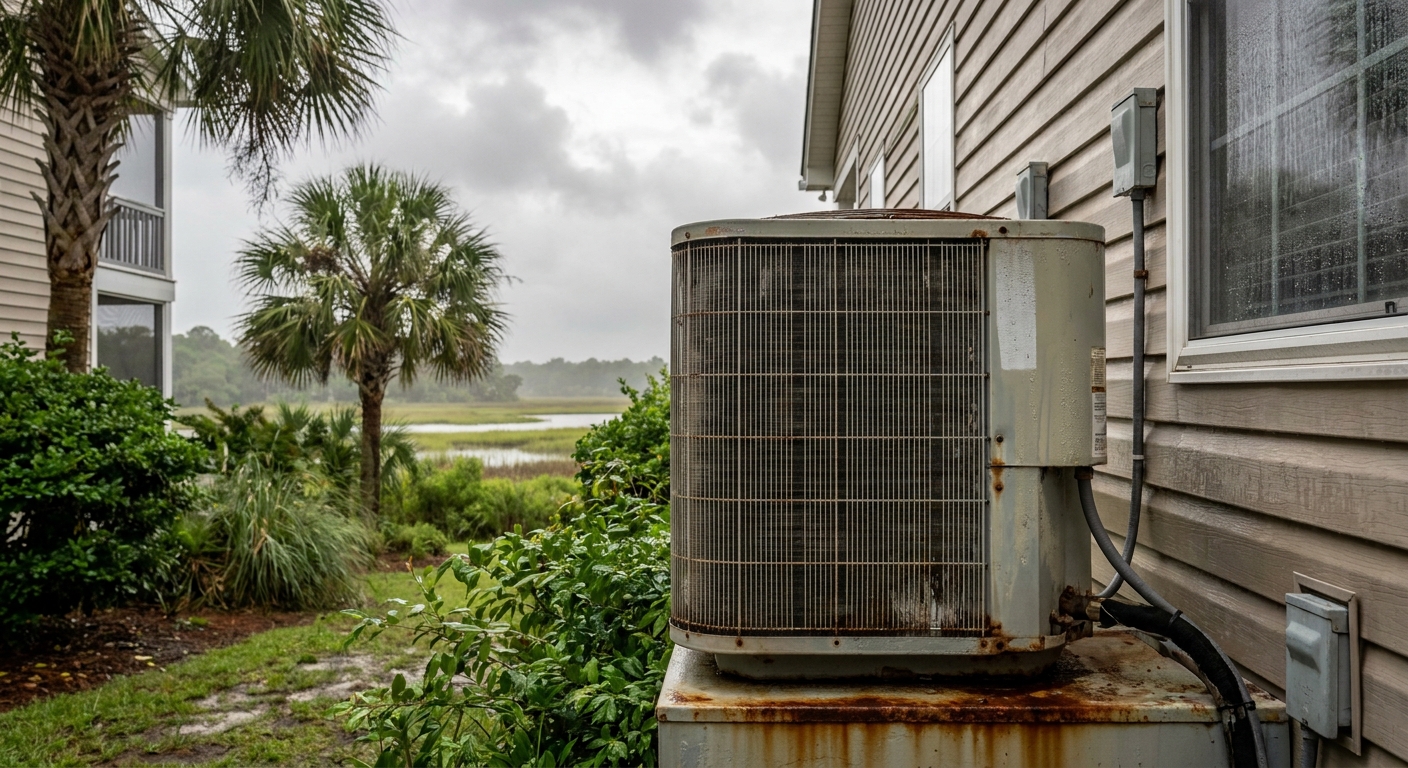



Why Is Cooling Uneven in Murrells Inlet Homes?
Most Murrells Inlet homeowners think their AC just needs a tune-up. Maybe a filter change, maybe a refrigerant top-off. But uneven cooling isn't usually a quick fix — and if you're ignoring it, you're burning money every month. Some rooms freeze while others bake. The thermostat says 72, but your upstairs bedroom feels like 82. That's not comfort. That's a system telling you something's broken.
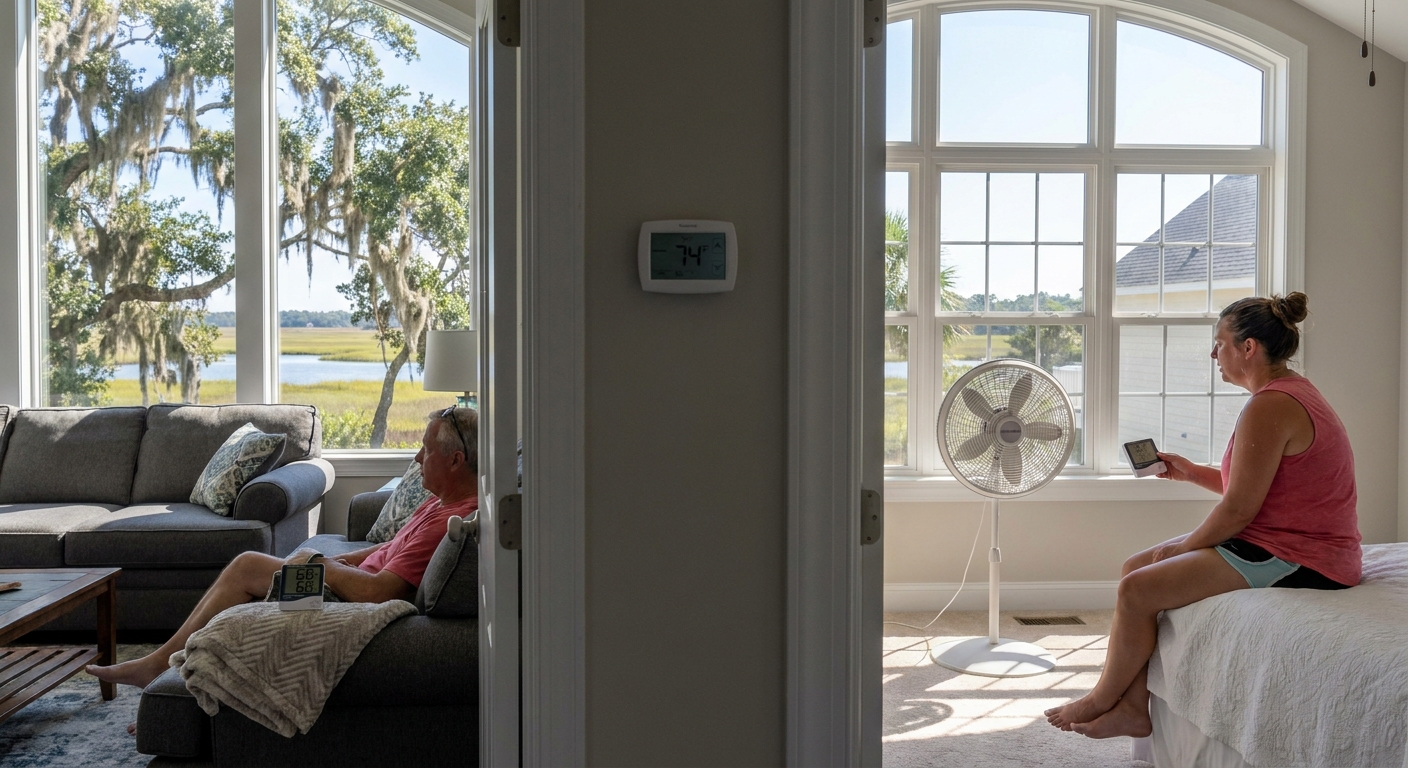
So here's what we know. If your home can't hold a consistent temperature, there's a reason. Could be your ducts. Could be your insulation. Could be that your system was never sized right in the first place. But every degree of difference costs you in energy bills and frustration. And every summer that passes without addressing it just makes the problem worse.
Your Ducts Are Probably Leaking
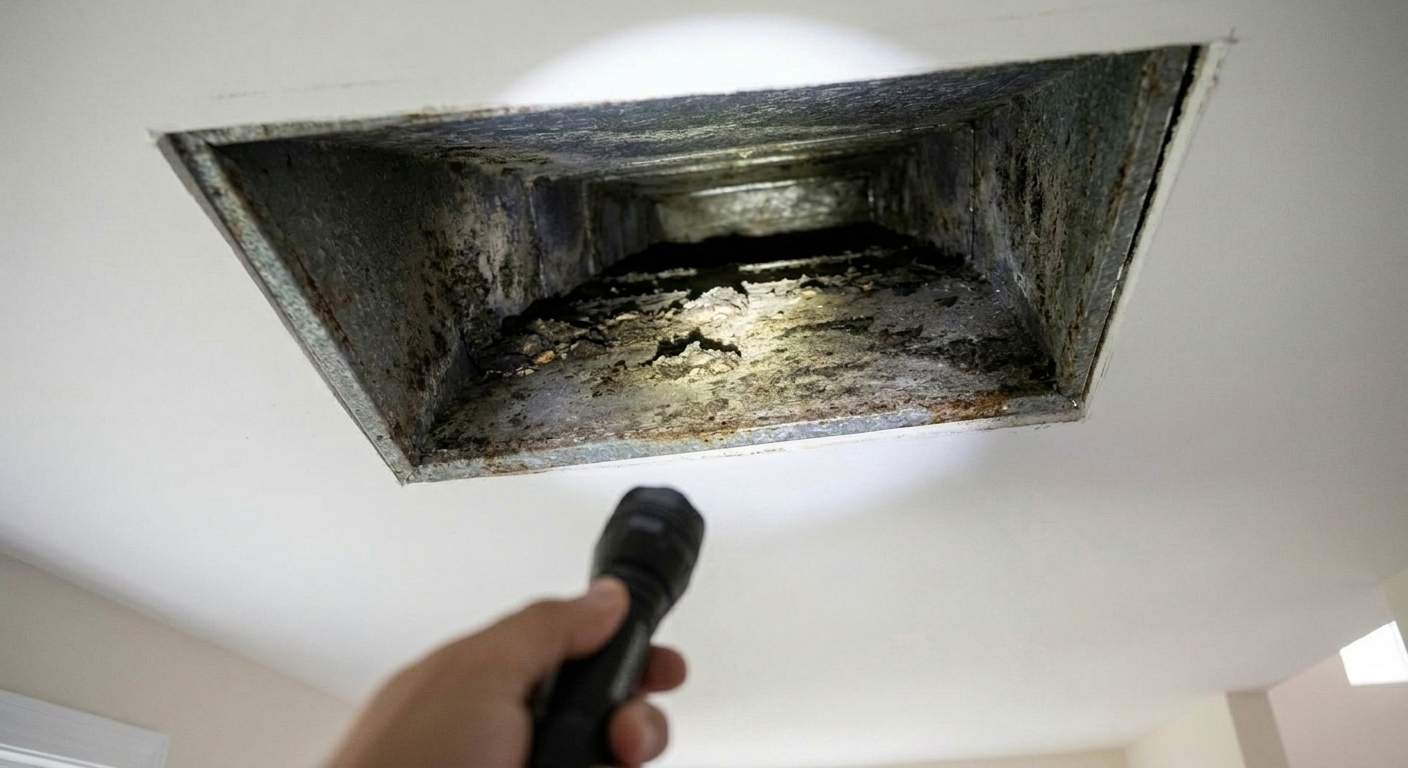
We've seen it over and over — ductwork that looks fine on the outside but bleeds cool air into attics, crawl spaces, and wall cavities. You're paying to cool your house, but half that air never makes it to the rooms you actually use. Leaky ducts are one of the top causes of uneven cooling, especially in older Murrells Inlet homes where original installations weren't sealed properly.
And it's not just about age. Renovations, additions, and DIY projects can all compromise duct integrity. If someone cut into a line to add a room or moved a vent without resealing connections, you've got a leak. That means some zones get starved while others get blasted. The fix isn't glamorous, but it works — professional sealing and testing can reclaim the airflow you're losing.
Insulation Gaps Let Heat Win
Coastal homes deal with humidity and heat that inland properties don't. If your insulation is thin, outdated, or missing in key areas, your AC is fighting a losing battle. Attics in particular are problem zones. Without proper insulation and ventilation, they turn into heat traps that radiate warmth down into your living spaces.
Crawl spaces and exterior walls matter too. A poorly insulated home doesn't just lose cool air — it invites heat in. That's why rooms facing south or west tend to feel hotter. The sun bakes those walls all afternoon, and without a thermal barrier, your system can't keep up. Upgrading insulation isn't flashy, but it's one of the smartest investments you can make for long-term comfort and efficiency.
- Attic insulation: Should meet or exceed R-30 in coastal climates like Murrells Inlet
- Wall insulation: Older homes may have little to none, especially in exterior walls
- Crawl space sealing: Prevents moisture and heat infiltration from below
- Air sealing: Caulking and weatherstripping around windows and doors keeps conditioned air inside
- Radiant barriers: Can be installed in attics to reflect heat away from living spaces
Your System Might Be the Wrong Size
Bigger isn't better when it comes to HVAC. An oversized unit cools too fast, shuts off before humidity is removed, and leaves rooms uneven. An undersized unit runs nonstop and never catches up. Both scenarios waste energy and leave you uncomfortable. Yet we still see contractors who size equipment based on square footage alone, ignoring layout, insulation, and local climate factors.
Murrells Inlet's heat and humidity demand precise load calculations. If your system was installed without a Manual J calculation — the industry standard for sizing — there's a good chance it's not matched to your home. That mismatch shows up as hot spots, cold zones, and monthly bills that make you wince. The only real fix is right-sizing during your next replacement, but in the meantime, zoning and duct modifications can help balance things out.
Thermostat Location Skews Everything
If your thermostat sits in a hallway near a draft, or on a wall that gets direct sunlight, it's lying to your system. It reads one temperature while the rest of your home experiences another. That means your AC shuts off when the hallway hits 72, even though your bedroom is still 78.
Placement matters more than most people realize. A thermostat should be on an interior wall, away from windows, doors, vents, and heat sources. It should reflect the average temperature of your living space — not the coolest corner or the hottest room. Relocating a thermostat isn't expensive, but it can make a dramatic difference in how your system performs and how evenly it cools.
- Avoid exterior walls: They're influenced by outdoor temperatures
- Keep it away from kitchens: Cooking heat can trigger false readings
- Don't place it near supply vents: Direct airflow skews the sensor
- Choose central locations: Hallways near bedrooms or living areas work best
- Consider smart thermostats: Some models use remote sensors to average temps across multiple rooms
Blocked Vents and Closed Registers Choke Airflow
Furniture pushed against a vent. Curtains draped over a register. Doors closed in unused rooms. All of these restrict airflow and throw off your system's balance. We get it — you want to "save energy" by closing vents in rooms you don't use. But modern HVAC systems aren't designed for that. Closing registers increases pressure in the ducts, forces air out through leaks, and makes uneven cooling worse.
Every vent in your home was placed there for a reason. Your system was balanced based on those outlets being open. When you block or close them, you're not reducing workload — you're creating imbalance. If a room is too cold, adjust the damper slightly or install a deflector, but don't shut it down completely. And make sure nothing is obstructing airflow in the rooms that matter most.
- Move furniture away from vents: Even a few inches makes a difference
- Keep all registers open: Closing them doesn't save energy, it creates pressure issues
- Vacuum vent covers monthly: Dust and debris restrict airflow
- Install vent deflectors: Redirect airflow without blocking it
- Check dampers in ductwork: Sometimes they're accidentally closed during service calls
Sun Exposure and Room Position Play a Role
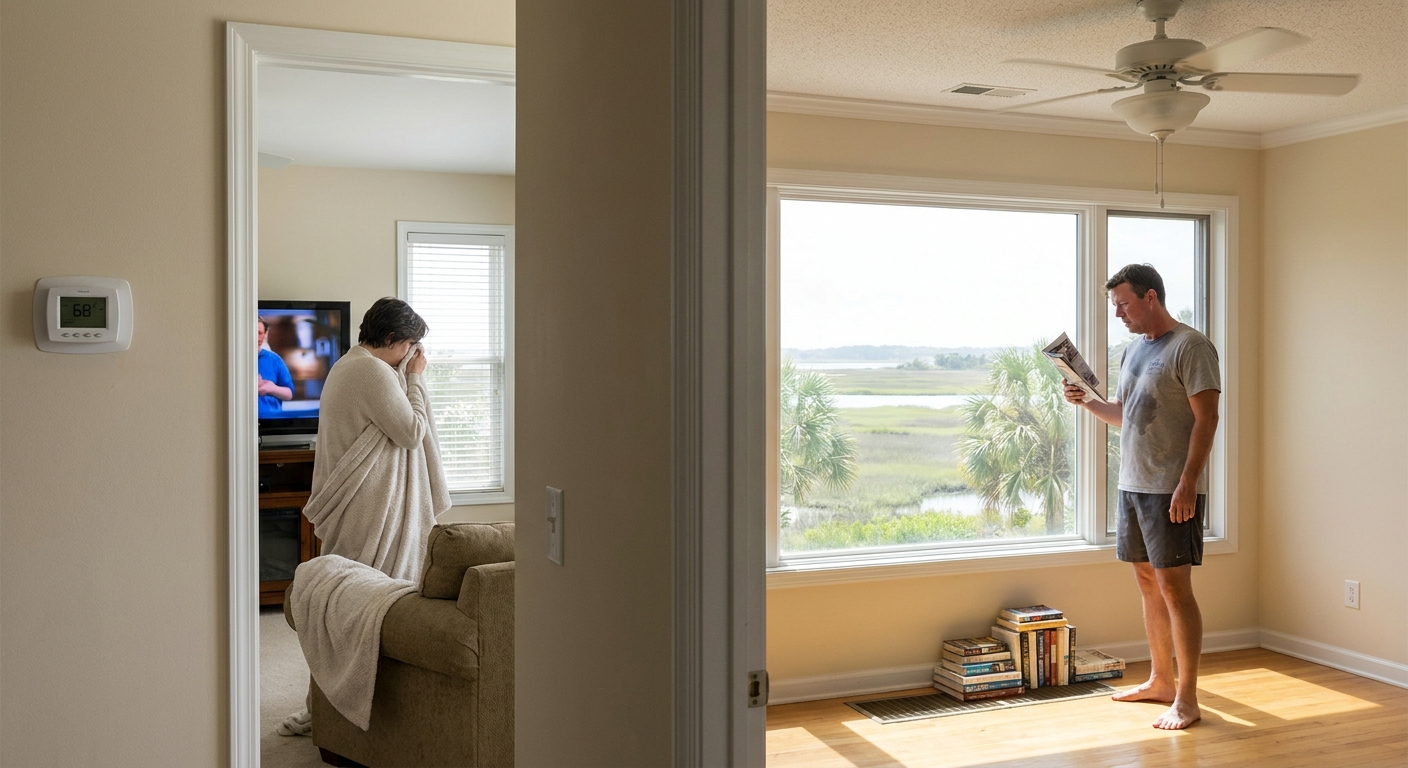
Physics doesn't care about your floor plan. Heat rises. Sunlight radiates through windows. Rooms on upper floors get hotter. West-facing bedrooms bake all afternoon. If your home has vaulted ceilings or large glass doors, those areas are going to be harder to cool no matter what your system does.
You can't change the sun's path, but you can mitigate its impact. Window treatments, UV-blocking film, and exterior shading all reduce heat gain. Ceiling fans help circulate air and make rooms feel cooler without lowering the thermostat. And if you have a two-story home, a zoning system lets you cool the upstairs more aggressively without overcooling the main floor.
Dirty Filters Strangle Your System
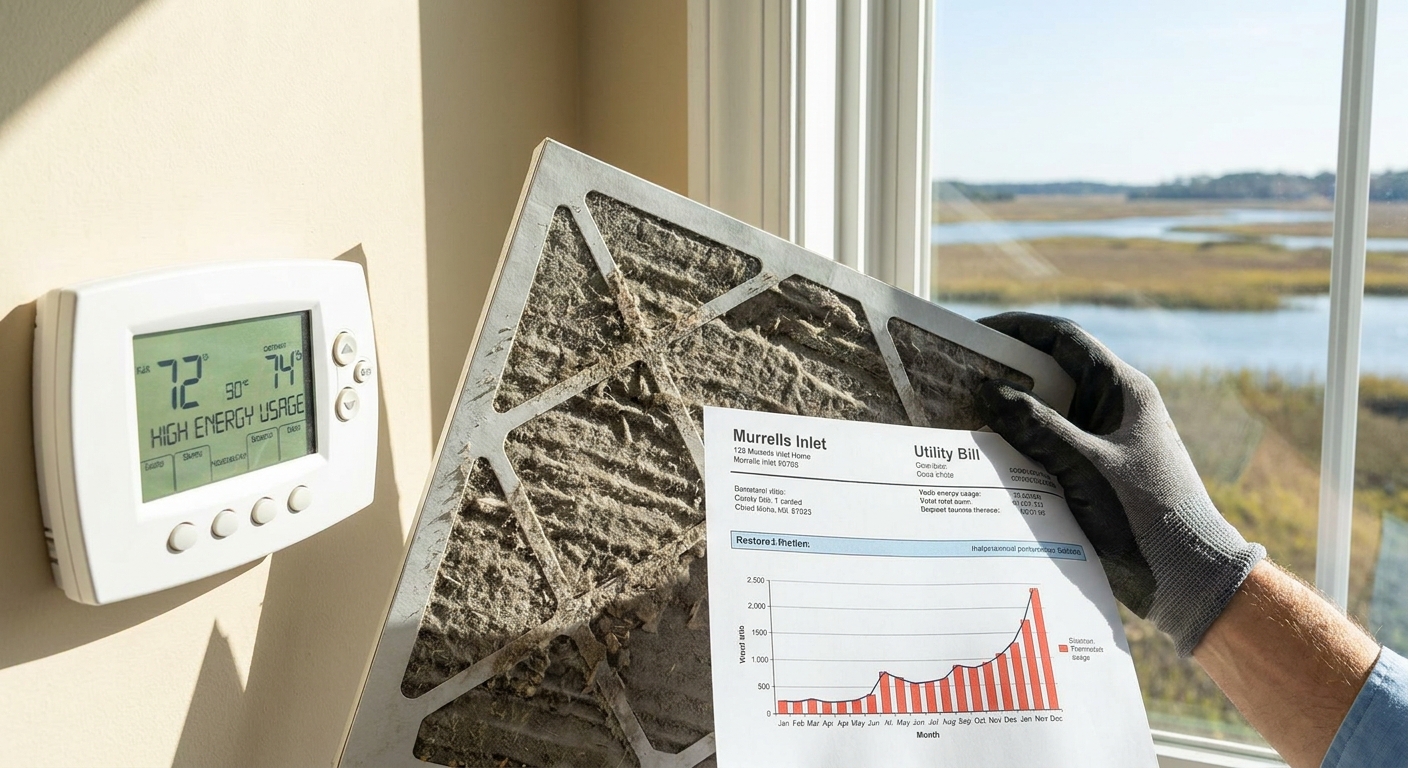
A clogged filter doesn't just reduce efficiency — it chokes airflow to the point where some rooms barely get any cool air at all. Your system has to work harder, runs longer, and still can't balance temperatures across the house. Yet we still talk to homeowners who haven't changed their filter in six months.
Filters should be checked monthly and replaced every one to three months depending on usage and conditions. If you have pets, kids, or live near the coast where salt and humidity are constant, you're on the short end of that timeline. A clean filter is cheap insurance against uneven cooling, higher bills, and premature system failure.
- Check monthly: Even if it doesn't look dirty, airflow may be restricted
- Use the right MERV rating: Higher isn't always better, especially if your system wasn't designed for it
- Set calendar reminders: Make it a routine, not a reaction to poor performance
- Buy in bulk: Stock up so you're never without a replacement
- Upgrade to pleated filters: They capture more particles without restricting airflow as much as cheap fiberglass options
When to Bring in a Pro
If you've checked your filters, cleared your vents, and adjusted your thermostat but still can't get even cooling, it's time to call someone who knows what they're doing. A qualified HVAC technician can run a load calculation, test your ductwork for leaks, check refrigerant levels, and identify issues you can't see from the outside.
Don't wait until your system dies in the middle of July. Uneven cooling is a warning sign, not just an inconvenience. Addressing it now saves you from emergency repairs, sky-high bills, and weeks of discomfort. And if your system is more than 10 years old, it might be time to plan for a replacement — one that's properly sized, installed, and balanced for your home.
Comfort Comes from Systems That Work as Designed
Uneven cooling isn't something you have to live with. It's not just "how it is" in a coastal home. It's a sign that something in your system, your home, or both isn't functioning the way it should. The good news is that most of these issues are fixable — and the fixes pay for themselves in comfort and energy savings.
We've helped Murrells Inlet homeowners diagnose and solve cooling problems for years. Whether it's sealing ducts, upgrading insulation, or installing a zoning system, the right solution depends on your home's unique layout and your system's capabilities. But the first step is always the same — stop accepting hot spots and start demanding better performance from the equipment you already own.
Let’s Get Your Home Comfortable Again
We know how frustrating it is to deal with rooms that never seem to cool down, no matter what you try. Let’s work together to bring real comfort back to every corner of your Murrells Inlet home. If you’re ready for answers and solutions that last, give us a call at 843-504-5974 or schedule an appointment with our team today.
‹ Back
Recent Posts
-
Is Your Air Conditioner in Myrtle Beach Blowing Warm Air?
October 2, 2026
-
Can Dirty Air Ducts in Pawleys Island Affect Your Indoor Air Quality?
September 18, 2026
-

Is It Time to Replace Your Thermostat in Myrtle Beach?
September 4, 2026
-
-