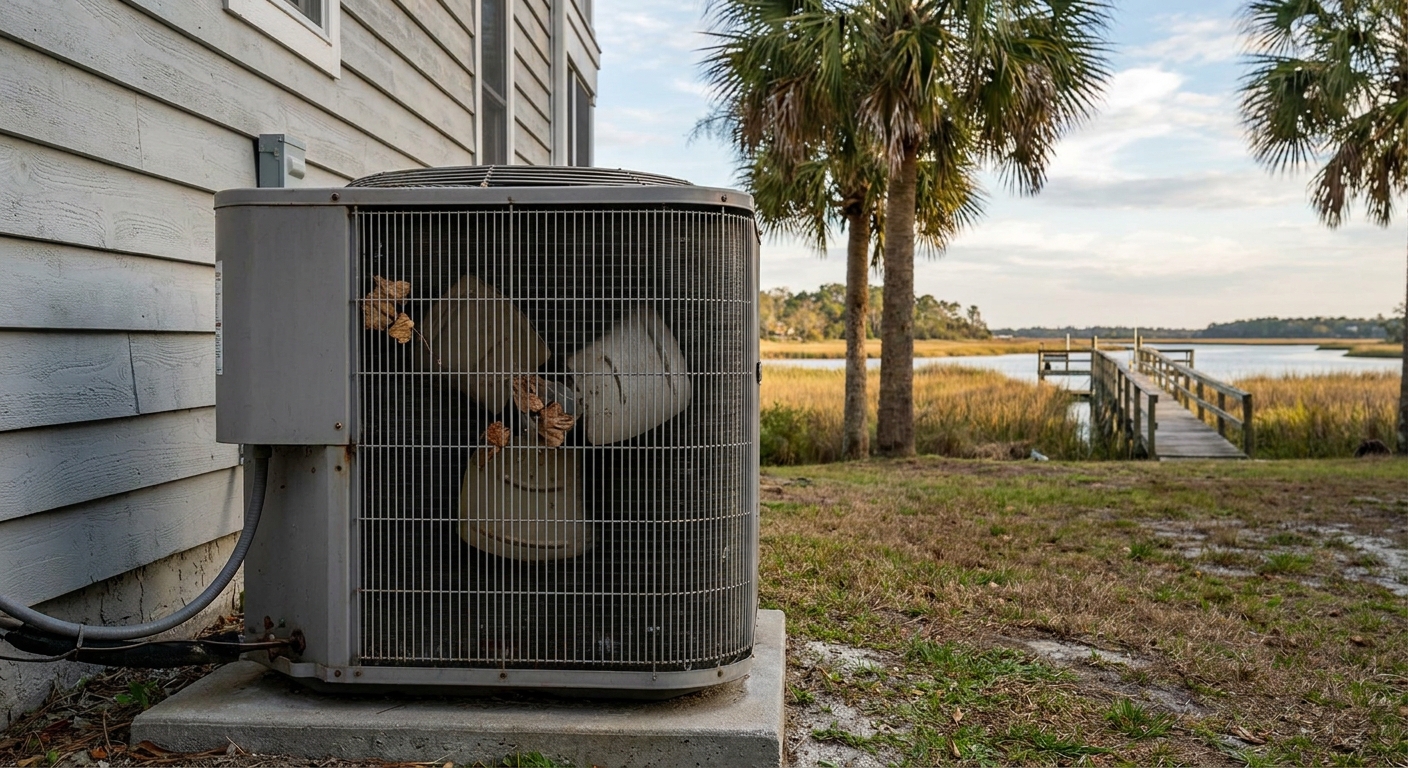



Is Your HVAC System Short Cycling in Myrtle Beach?
Most homeowners think HVAC systems either work or they don't. On or off. Cold air or warm air. But when your unit starts firing up and shutting down every few minutes, you're looking at a problem that goes deeper than comfort. Short cycling isn't just annoying — it's expensive, it wears down your equipment, and in Myrtle Beach's climate, it can leave you sticky and miserable even when the thermostat says you're fine.
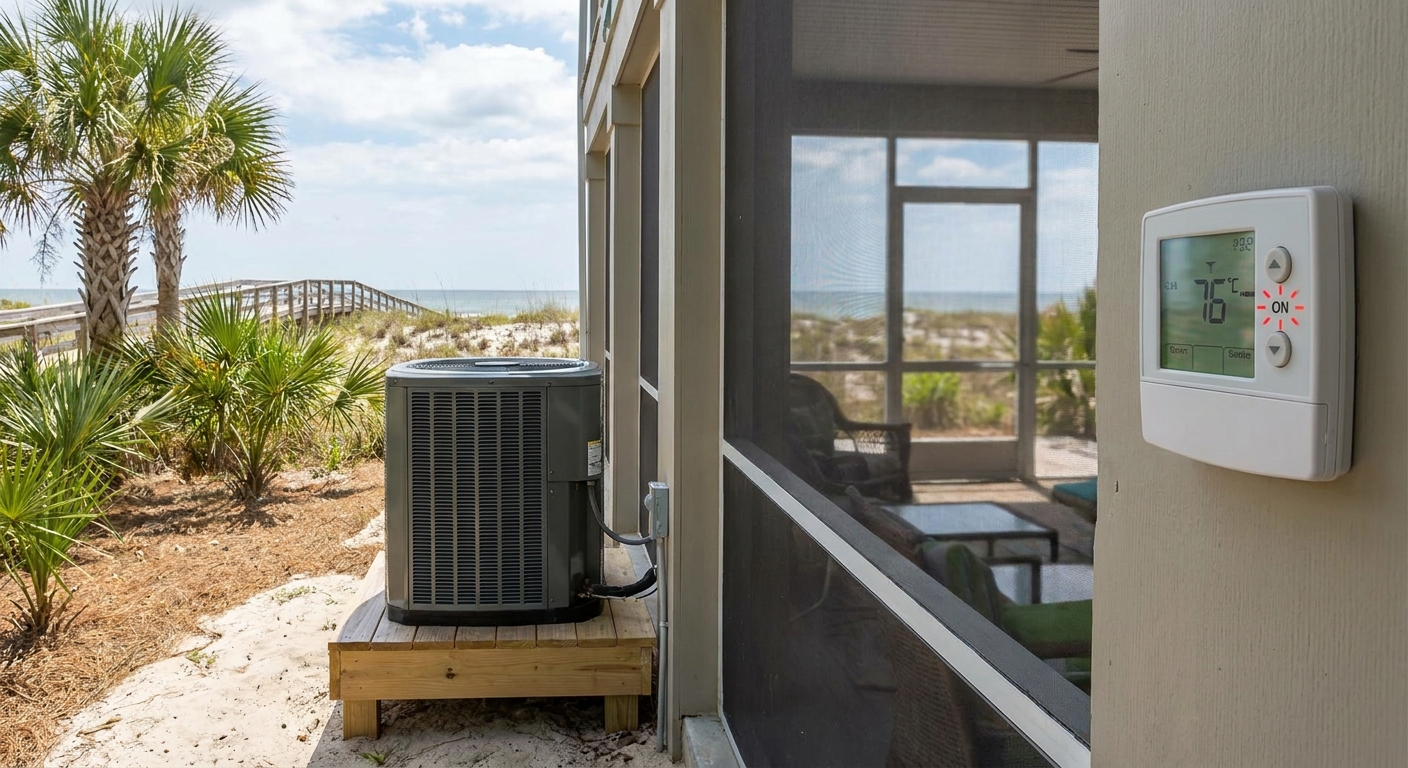
So here's the reality. If your system is running in bursts instead of steady cycles, something's wrong. Maybe it's simple. Maybe it's not. Either way, ignoring it costs more than fixing it — and the longer you wait, the worse it gets.
When Your System Can't Finish What It Started
Short cycling happens when your HVAC fires up, runs for a minute or two, then shuts off before it's actually done the job. No full cycle. No sustained cooling or heating. Just a pattern of stopping and starting that leaves your home uncomfortable and your energy bill climbing.
A properly functioning system should run long enough to hit your target temperature, then rest until it's needed again. When that rhythm breaks down, you're dealing with mechanical stress, wasted power, and a unit that's fighting itself instead of doing what you paid for.
The Usual Suspects Behind the Problem
We've seen short cycling traced back to half a dozen causes, and most of them are preventable. The bad news is that each one can snowball if left unchecked. The good news? You can usually spot the warning signs before your system gives out completely.
Here's what typically triggers it:
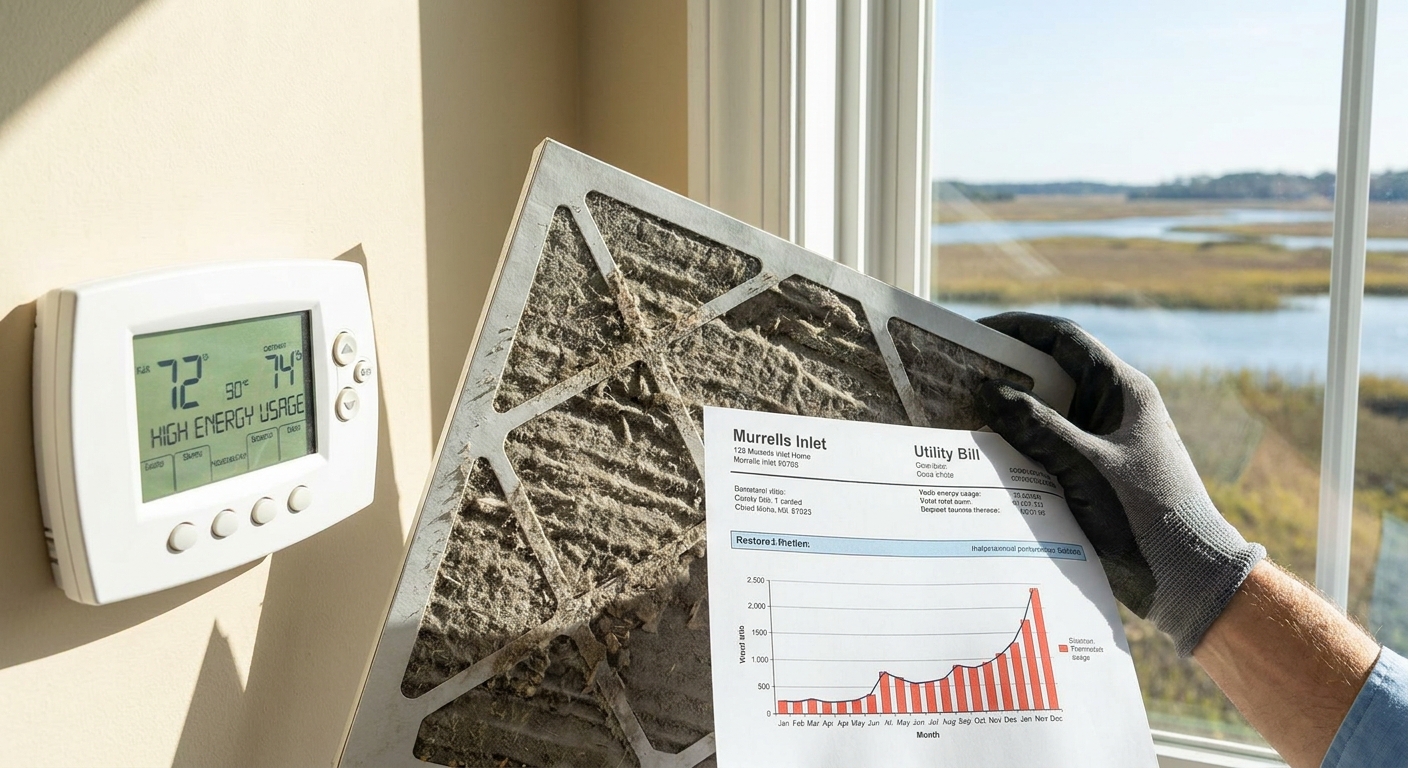
- Clogged filters choking airflow: When dirt builds up, your system overheats and shuts down early to protect itself.
- Oversized equipment cooling too fast: A unit that's too powerful for your square footage will blast cold air, hit the setpoint in seconds, and cycle off before dehumidifying properly.
- Thermostat sending mixed signals: Bad placement or faulty wiring can trick your system into thinking the job's done when it's not.
- Low refrigerant from a leak: When coolant levels drop, the compressor can't maintain pressure and shuts off prematurely.
- Electrical gremlins in the controls: Faulty relays or wiring glitches disrupt normal operation and cause erratic cycling.
- Frozen coils from poor airflow: In humid conditions, restricted airflow lets moisture freeze on the evaporator, forcing the system to shut down mid-cycle.
Why This Isn't Just an Annoyance
Short cycling doesn't just interrupt your Netflix binge. It hits you in the wallet, stresses your equipment, and makes your home feel like a swamp even when the AC's running. The compressor — the heart of your system — wasn't designed to start and stop constantly. Every time it fires up, it draws a surge of power. Do that ten times an hour instead of twice, and you're burning through electricity without ever reaching the comfort level you're paying for.
Then there's the humidity. Myrtle Beach summers are brutal, and your HVAC needs time to pull moisture out of the air. Short cycles don't give it that chance. You end up with a house that's technically cooled but still clammy, and nobody wants that.
- Energy waste piling up every month: Constant restarts drain power faster than sustained operation.
- Comfort that never quite lands: Uneven temps and lingering humidity make your home feel off no matter what the thermostat reads.
- Components wearing out faster: Compressors, blower motors, and capacitors take a beating from repeated cycling.
- Humidity that won't quit: Your system never runs long enough to dehumidify, leaving the air sticky and uncomfortable.
First Moves When You Notice the Pattern
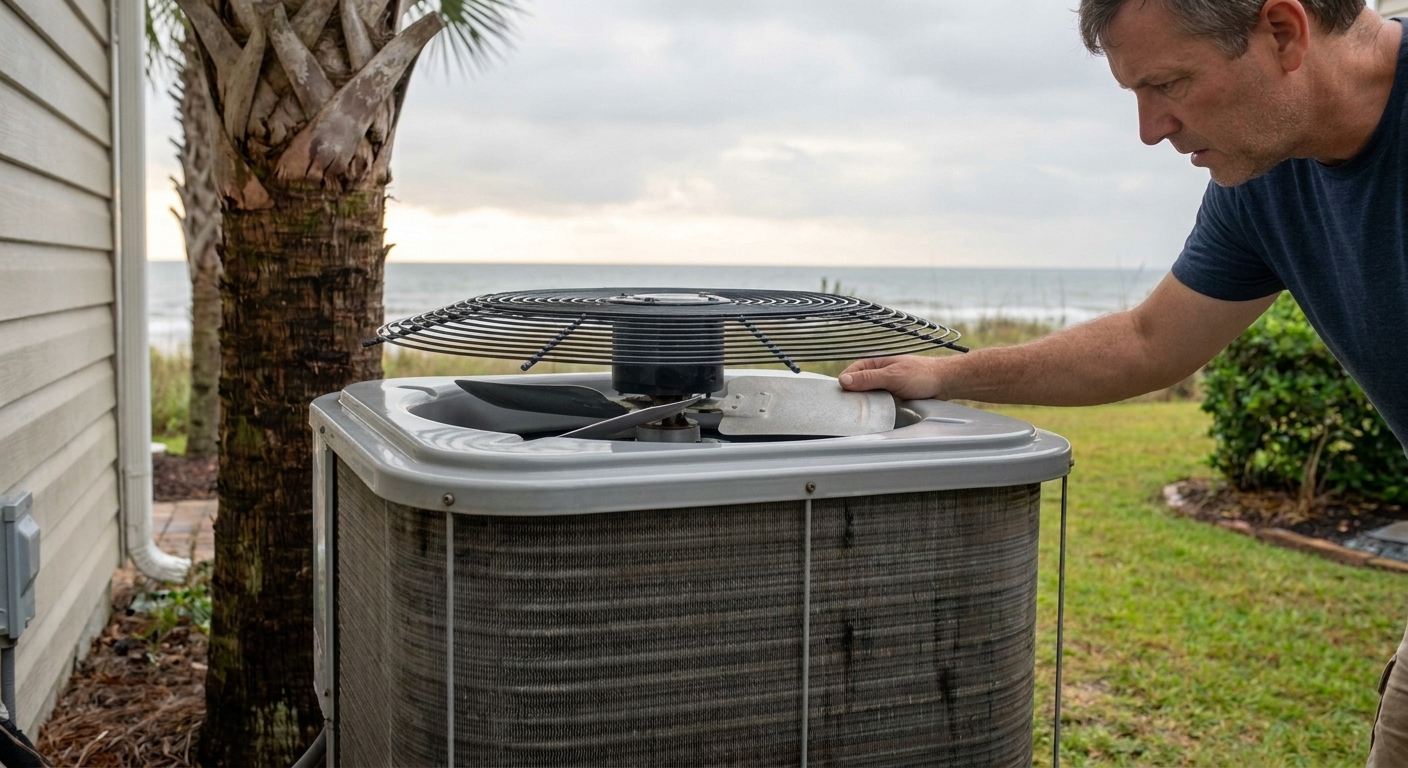
Catching short cycling early can save you a major headache. Start with the simple stuff before calling in the pros. Check your air filter — if it's caked with dust, swap it out. Look at your thermostat. Is it mounted near a window or heat source? That can throw off the readings and confuse the system.
If those quick fixes don't solve it, you're past DIY territory. Refrigerant issues, electrical faults, and sizing problems all require trained eyes and the right tools. Don't guess. Get it checked.
- Replace dirty filters immediately: This is the fastest and cheapest fix, and it works more often than you'd think.
- Verify thermostat accuracy and placement: Make sure it's reading the actual room temp, not the sunbeam hitting it at noon.
- Bring in a licensed tech for diagnostics: Refrigerant, electrical, and mechanical issues need professional attention.
- Evaluate whether your unit fits your space: An oversized system is a liability, not an upgrade.
Stopping It Before It Starts
Prevention beats repair every time. We recommend annual HVAC maintenance, clean filters year-round, and addressing small issues before they compound. A tech can spot a refrigerant leak or a failing capacitor long before it triggers short cycling. That's the kind of proactive move that keeps your system running smoothly through Myrtle Beach's toughest weather.
If you're already dealing with erratic cycling, don't wait for the unit to quit entirely. The longer it runs this way, the more damage it does — and the bigger the bill when something finally breaks. Call a local HVAC pro, get the diagnostics done right, and get back to consistent comfort without the constant start-stop headache. For urgent issues that can't wait, our emergency HVAC repair in Myrtle Beach team is ready to help. Whether you need a repair service, HVAC installation in Myrtle Beach, or help with indoor air quality improvement, we've got you covered.
Let's Get Your Comfort Back on Track
We know how frustrating it is when your HVAC just won't cooperate, especially in Myrtle Beach's unpredictable weather. Let's work together to restore steady, reliable comfort to your home and keep those energy bills in check. If you're ready to put an end to short cycling and enjoy a cool, comfortable space again, give us a call at 843-504-5974 or schedule an appointment with our team today.
‹ Back
Recent Posts
-
Can Dirty Air Ducts in Pawleys Island Affect Your Indoor Air Quality?
September 18, 2026
-

Is It Time to Replace Your Thermostat in Myrtle Beach?
September 4, 2026
-
-
-