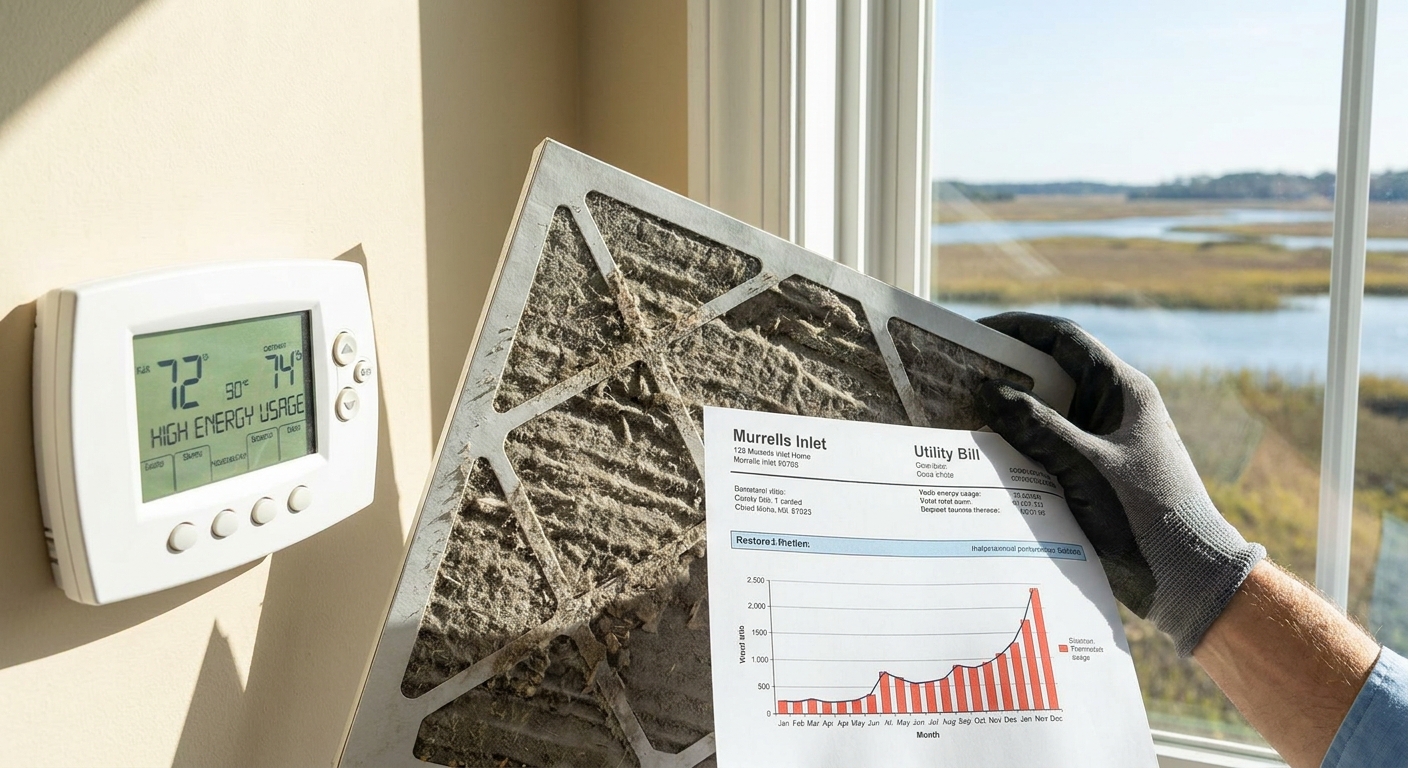



Can Poor Airflow Damage Your HVAC System in Pawleys Island?
Most homeowners see HVAC issues as something that just happens. Unit quits, you call someone. Air gets weak, you nudge the thermostat. But the system doesn't fail overnight — and if you're ignoring airflow, you're already setting yourself up for trouble. Poor airflow might not scream emergency, but it leaves a mark on every component in the system. Especially in a place like Pawleys Island, where humidity and heat push equipment harder than most climates ever will.
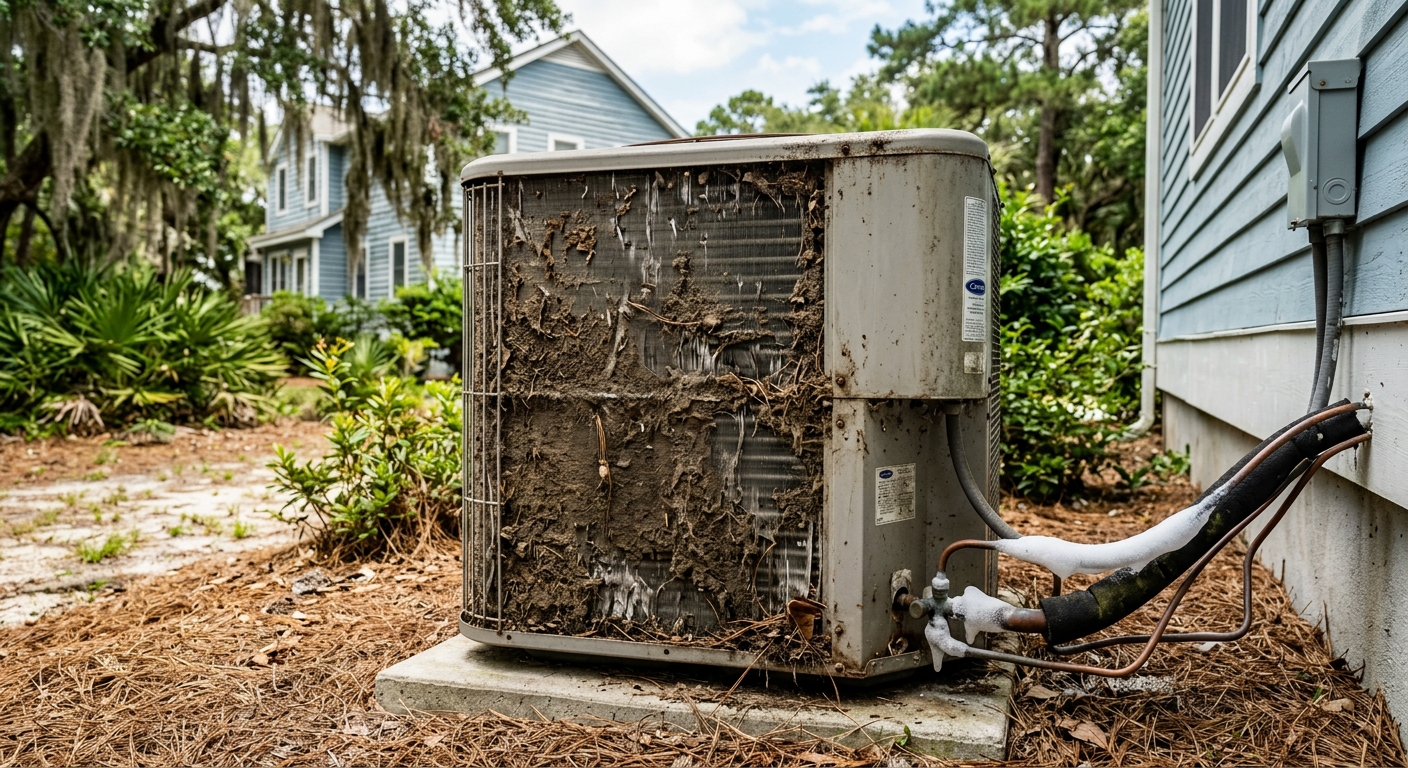
So here's what matters. If your HVAC is starving for air, it's working twice as hard to do half the job. That's wear you don't see until it's too late. Every restriction adds strain. Every blocked vent cuts efficiency. And every ignored filter becomes a ticking clock on your compressor's lifespan — not just a comfort issue.
What Airflow Actually Does
Airflow isn't background noise. It's the entire delivery system for conditioned air in your home. When it moves freely, rooms stay balanced, equipment runs smooth, and energy stays in check. When it doesn't, your HVAC starts compensating — pushing harder, running longer, burning out faster.
The system was built around a specific volume of air moving through at a specific rate. Mess with that, and everything downstream suffers. Temperature control falls apart. Humidity climbs. And components designed to last fifteen years start breaking down in eight.
Why Airflow Gets Choked Off
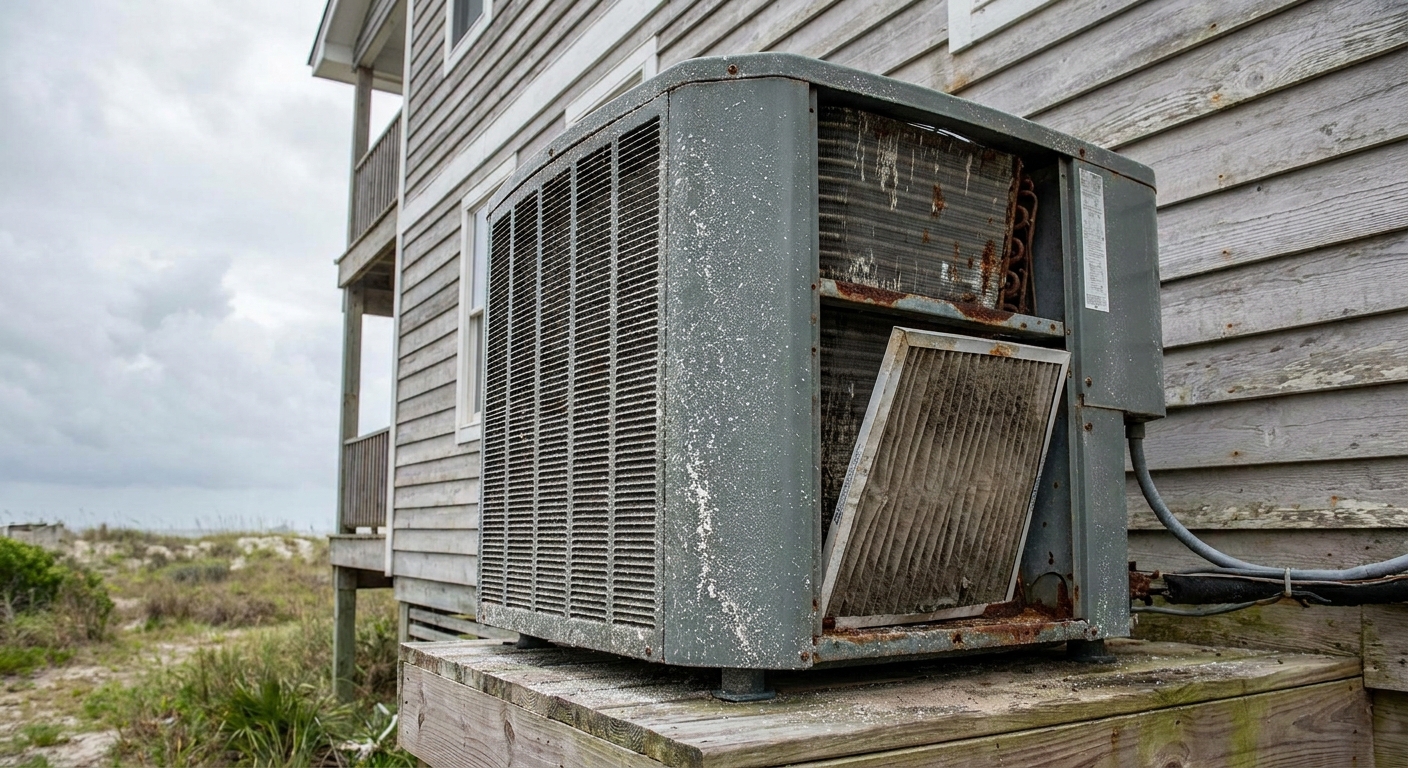
In Pawleys Island, airflow problems don't need much help. Between the salt air, seasonal pollen, and constant humidity, systems get hit from every angle. Add in a few everyday mistakes, and you're looking at serious restriction.
Here's what usually causes it:
- Filters caked with dust, pet hair, and coastal debris
- Vents buried behind furniture or blocked by renovation debris
- Ductwork with leaks, crimps, or design flaws from the install
- Coils coated in grime that stops heat transfer cold
- Systems undersized or oversized for the square footage they're cooling
The Damage Starts Small and Spreads Fast
Restricted airflow doesn't announce itself with sparks or smoke. It creeps in through inefficiency, then escalates into breakdowns that cost real money. Your blower motor starts laboring. Your compressor cycles more than it should. Your evaporator coil ices over because it can't pull enough warm air across the surface.
Each of those issues compounds the others. A dirty filter makes the blower work harder. That extra load heats up the motor. The motor eventually burns out or trips a safety. Meanwhile, the coil freezes, water drips into places it shouldn't, and you're looking at mold, electrical shorts, or worse.
Overheating Becomes the New Normal
When your system can't breathe, it overheats. That's not a design flaw — it's physics. The unit generates heat during operation, and airflow is what keeps it cool. Cut that flow, and internal temps spike.
Modern systems will shut down before they melt. But those safety shutdowns aren't free passes. Every emergency stop stresses the start capacitor, wears out contactors, and shortens the life of your compressor. In Pawleys Island's summer heat, those shutdowns can happen daily if airflow is bad enough.
Ice Shouldn't Be Part of Your AC
Frozen evaporator coils are one of the clearest signs of airflow failure. The coil needs a steady stream of warm air to absorb heat. Without it, refrigerant stays too cold, condensation freezes, and ice builds up fast.
Once that happens, cooling stops. The ice acts like insulation, blocking any heat exchange. Water starts pooling when it melts, which can flood your drain pan, soak insulation, or drip into ceilings. And if you keep running the system frozen, you risk compressor damage — the most expensive repair short of full replacement.
Your Energy Bill Tells the Story
An HVAC system fighting for air uses more power to hit the same temperature. It runs longer cycles. It struggles to reach setpoint. And all that extra runtime shows up on your utility bill, month after month.
In a climate like Pawleys Island, where AC runs most of the year, that inefficiency isn't just annoying. It's expensive. You're paying for equipment abuse, not comfort. And the longer it goes on, the worse the numbers get.
How to Spot Airflow Problems Before They Escalate
Most airflow issues give you warning signs. The trick is noticing them before they turn into four-figure repair bills. If your system is struggling, you'll see it in how your home feels and how the equipment behaves.
Watch for these red flags:
- Rooms that never match the thermostat setting
- Weak air coming from supply vents
- Strange rattles, hums, or grinding noises from the air handler
- Dust settling faster than it should
- Bills creeping up without extra usage
Filters Are Cheap Insurance
You can't run a coastal HVAC system on the same filter schedule as someone in Arizona. Salt, humidity, and pollen load up filters faster here. If you're still changing them twice a year, you're already behind.
Swap them every month during peak season. Every six weeks if you're running the system hard. It's boring work, but it's also the single cheapest way to protect airflow and extend equipment life. Miss it, and you're gambling with a compressor that costs more than a used car.
Vents Need Line of Sight
Blocking a vent doesn't just cut comfort in one room. It throws off the entire system's balance. Air has to go somewhere, and if it can't exit through a blocked register, pressure builds in the ducts. That pressure can force air through leaks, overwork the blower, and create hot or cold zones throughout the house.
Keep furniture, curtains, and storage clear of vents. If a room feels off, check the register first. Half the time, it's something simple — but ignoring it turns simple into systemic.
Ductwork Failures Happen Out of Sight
You can't see most of your ductwork, which is why leaks and blockages go unnoticed until the damage is done. A poorly sealed joint can dump conditioned air into your attic or crawlspace. A crimped flex duct can choke airflow to an entire zone.
If airflow problems persist even after filter changes and vent checks, the ducts are the next suspect. A professional inspection with pressure testing will show where the system's bleeding air — and whether a repair or redesign is needed.
Professional Maintenance Catches What You Miss
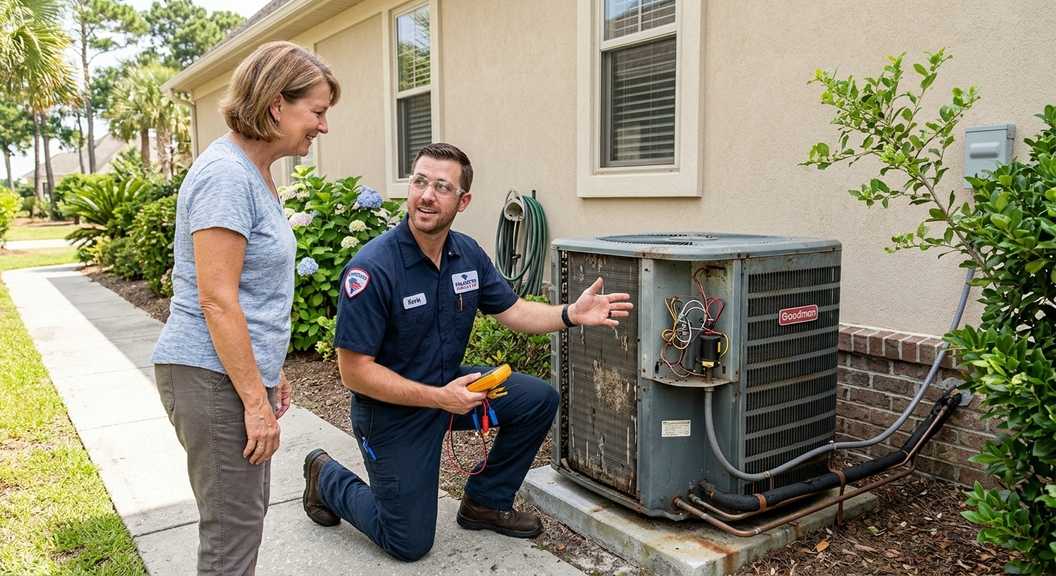
DIY upkeep has limits. You can change filters and clear vents, but coil cleaning, refrigerant checks, and blower motor inspections require tools and training most homeowners don't have. That's where HVAC maintenance comes in.
A good technician will:
- Clean coils and check for corrosion
- Test airflow across all zones
- Inspect ductwork for leaks or damage
- Measure refrigerant levels and pressures
- Tighten electrical connections and test capacitors
When to Stop Guessing and Call Someone
If your system's acting up and you've already handled the basics, you're in territory where guesswork costs money. A tech can diagnose airflow issues in minutes with the right instruments — static pressure readings, temperature differentials, amperage draws.
Trying to fix airflow problems without understanding the root cause just moves the problem around. You might clear one blockage and create another. Or miss a failing blower motor until it seizes mid-summer. If the system's not responding to simple fixes, HVAC repair services can identify the real issue before it escalates further.
Airflow Isn't Optional
Running an HVAC system with restricted airflow isn't a minor inconvenience. It's active damage. Components overheat, efficiency tanks, and repairs stack up faster than most homeowners expect. In demanding coastal climates, proper indoor air quality improvement starts with maintaining adequate airflow throughout the system.
At the end of the day, airflow is what keeps your system alive. Filters, vents, ducts, coils — they all play a role, and they all need attention. Whether you're scheduling routine service or considering HVAC installation for a replacement unit, understanding airflow dynamics protects your investment. Skip the maintenance, and you're not just risking comfort. You're shortening the life of equipment that should last a decade or more. Take care of the airflow, and the system takes care of you.
Let’s Keep Your Comfort on Track
We know how quickly small airflow issues can turn into big headaches, especially in Pawleys Island’s climate. If you’re noticing weak air, rising bills, or just want peace of mind that your HVAC is running right, let’s tackle it together. Give us a call at 843-504-5974 or schedule an appointment and we’ll make sure your system is set for the long haul.
‹ Back
Recent Posts
-
Should You Repair or Replace Your HVAC System in Murrells Inlet?
October 16, 2026
-
Is Your Air Conditioner in Myrtle Beach Blowing Warm Air?
October 2, 2026
-
Can Dirty Air Ducts in Pawleys Island Affect Your Indoor Air Quality?
September 18, 2026
-

Is It Time to Replace Your Thermostat in Myrtle Beach?
September 4, 2026
-